
Ten standout creator campaigns, their reported results, and the decisions worth bringing into your next brief.
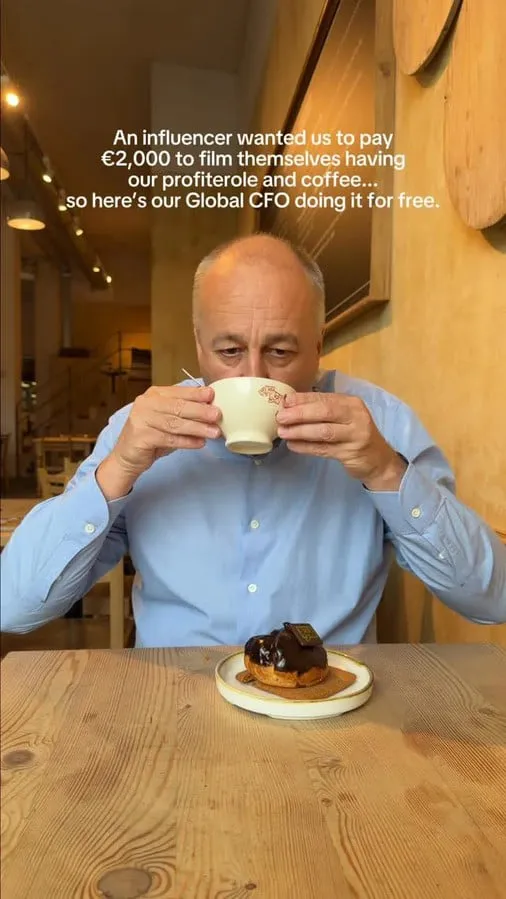
Le Pain Quotidien said an influencer wanted €2,000 for a post. So it put its CFO in front of a profiterole and reported more than 10 million views. Finance had entered the content calendar.
The joke landed. The more interesting part came afterward, when the team gave people a reason to keep watching and somewhere to show up. Start with Frank.
Why these ten campaigns
This editorial selection covers standout campaigns with documented 2026 activity through October 26, distinctive creator involvement and a useful public result. It includes smaller businesses and specialist programs alongside global brands. Le Pain Quotidien is an employee-led exception: its CFO appeared on the brand’s account.
Orders, installs, votes and views answer different questions. The numbering is an editorial order, not a comparable ROI ranking. Results come principally from the brands, platforms and agencies involved. Each entry explains what the evidence supports and what you can apply to your own work.
Ten campaigns with ten different reasons to pay attention
The 2026 campaigns at a glance

Campaign | Reported result | Reason to study it |
|---|---|---|
Le Pain Quotidien | 10M+ views on the original viral moment | Turn a distinctive character into follow-up content |
Vita Coco | 245M+ cumulative campaign impressions | Give audiences an idea they can reuse |
PHOEBE | 951 orders; 703 attributed to LIVE | Connect creator explanations to checkout |
Immigrant Food | 1.75M+ views; about 70% from gifted creators | Make a provocative product easy to demonstrate |
HAIKYU!! FLY HIGH | 1,474 installs; 824 registrations | Connect fandom entertainment to a product event |
Samsung Galaxy S26 | 10.7M+ views across the program | Give launch phases different creative jobs |
ICC T20 Creator Club | 2.5B+ views across the global program | Turn access into stories for distinct audiences |
Fenty Beauty | 1M unique viewers; 53M impressions | Make a live product demonstration an occasion |
Afia Mondial | 42M+ views; 29,936 votes | Let audience decisions shape the next episode |
Sunrise Festival | 323 fan TikToks; 4.2M campaign views | Connect a useful reward to relevant fan content |
Brand, platform or delivery-partner reports. Definitions and reporting periods differ; attribution and limits are explained in each campaign entry. Views and impressions do not represent unique people.
Le Pain Quotidien made its CFO the punchline, then built a campaign
The October 2 Reel is wonderfully uneventful. Global CFO Frank Gysbrechts drinks coffee and eats a pastry while an overlay explains that an influencer wanted €2,000 and the CFO would do it for free. The tension does the work: the person associated with controlling spending becomes the talent. No choreography required.
Le Pain Quotidien subsequently reported 10 million-plus views, 500,000-plus engagements and more than 15,000 new followers. Those are substantial attention results. They also came with a dangerous temptation for marketers: turning a good joke into a bad procurement policy.
- 10M+Views on the original CFO Reel
- 500,000+Engagements
- 15,000+New followers
The fee was the brand’s characterization. We do not have the proposed deliverables, usage rights or creator’s response. And an employee’s time, agency support and distribution work do not become free because nobody raised a talent invoice. Enjoy the pastry. Leave the universal rate card out of it.
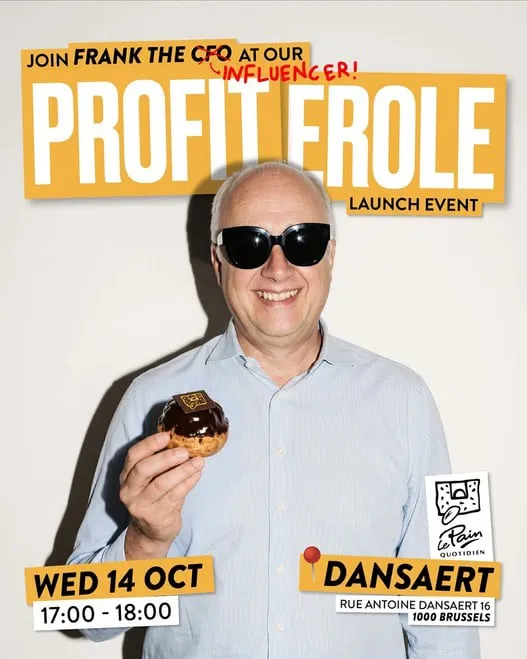
The more useful operating detail comes from the team behind the follow-up. Culture Kids Group’s Aidan McKevitt described a client-originated idea, a ten-minute iPhone shoot and a rapid change to the upcoming content schedule. The team developed follow-up videos and an in-store pastry event. Its later account put the expanded activity at 15 million views and more than 100 event sign-ups. That total overlaps the original clip; registrations also tell us less than attendance or sales.
- 15MViews for the expanded activity (overlaps the original clip)
- 100+In-store event sign-ups
Our read is that the useful skill was recognizing what people had responded to and producing a second chapter quickly. The CFO was a character with a specific relationship to the premise. Replacing him with a randomly selected colleague would have removed much of the joke. Copying the camera quality alone would miss the idea completely.
For your own campaign, decide before launch who can approve a follow-up, what inventory or event capacity is available, and which audience response would justify changing the calendar. If comments start asking where to try the product, make the answer easy to find. Then measure the next behavior: event attendance, store visits where observable, or purchases connected to the offer. The next post should earn its existence by advancing the story or answering a real question. A viral moment gives you permission to continue; it does not write the continuation for you.
Vita Coco gave a creator’s jingle room to become culture
Vita Coco’s collaboration with Romeo Bingham started with a creator who already had a distinctive skill: making brand jingles people wanted to repeat. The brand paid Bingham to create a song, then kept the creator involved as the idea spread through early 2026. The product had a sound people could carry into their own videos.
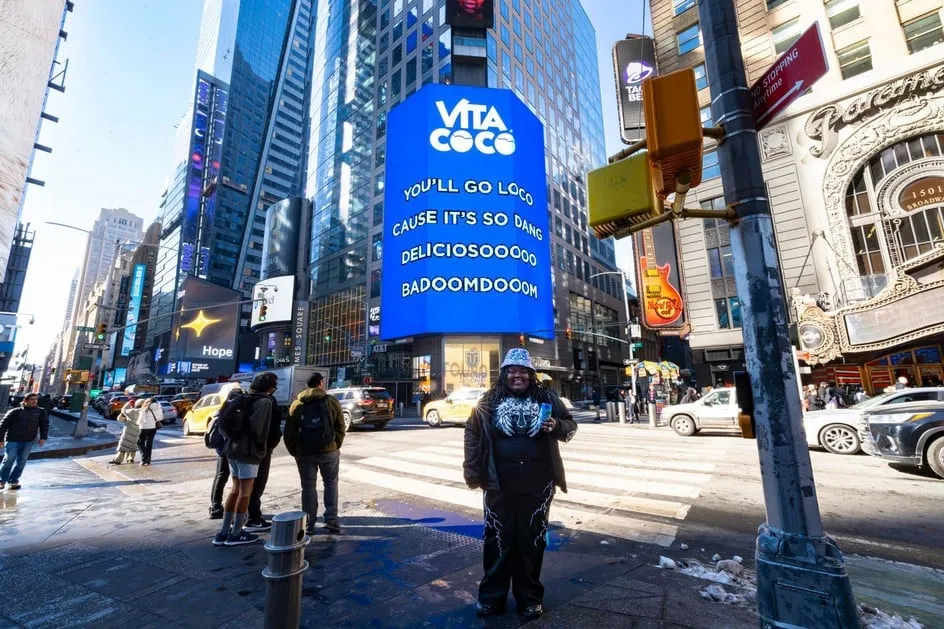
Romeo Bingham beneath the campaign billboard. Photo: CLIQSTREET MEDIA / Vita Coco.
In a February interview, Vita Coco reported more than 245 million cumulative impressions and 130,000 new TikTok followers in a month. In March, its CMO told Net Influencer that more than 8,000 TikTok users had made videos with the audio. Those figures describe different reporting dates. The participation is particularly interesting because it shows people taking the creative into their own hands.
- 245M+Cumulative campaign impressions (February)
- 130,000New TikTok followers in a month
- 8,000+TikTok users who made videos with the audio (March)
The extension had physical scenes, too. The brand sent Bingham and guests to the Super Bowl, while CLIQSTREET MEDIA put the jingle on a Times Square billboard during a CBS Mornings appearance. The creator’s name and lyrics were part of the display. Outdoor media supplied another moment for the creator’s story, with the brand still visibly involved.
This is a useful way to think about a partnership budget. A single contracted post can be an opening move. If people start making their own versions, you need the rights, production capacity and approval speed to support that behavior. Otherwise, the audience develops a more ambitious campaign than the team is authorized to run. That is an awkward meeting to explain.
The transferable decision is to identify what the creator can originate that your audience might use. Music is one answer. A recognizable recipe format, a recurring challenge or a useful demonstration can also supply material for participation. The test is whether the audience has a meaningful action beyond pressing like. Do not force a dance challenge onto a product whose customers came for technical help.
Agree on how the creator participates in extensions and how those uses are paid. Track reuse separately from brand-owned distribution, and pair attention measures with a product discovery or buying measure suited to the brief. Vita Coco’s public results support a strong attention and participation story. They do not establish incremental sales. For your next contract, discuss the second chapter while there is still time to plan and price it properly.
PHOEBE made livestreaming an accountable selling format
For a beauty product, a useful creator may be the person who can keep answering buying questions while demonstrating how it is used. PHOEBE BEAUTY UP’s Japanese TikTok Shop program makes that skill commercially visible. The campaign, run with studio15 from May to July 2026, promoted products including its eyelash serum through creator livestreams and affiliate videos.
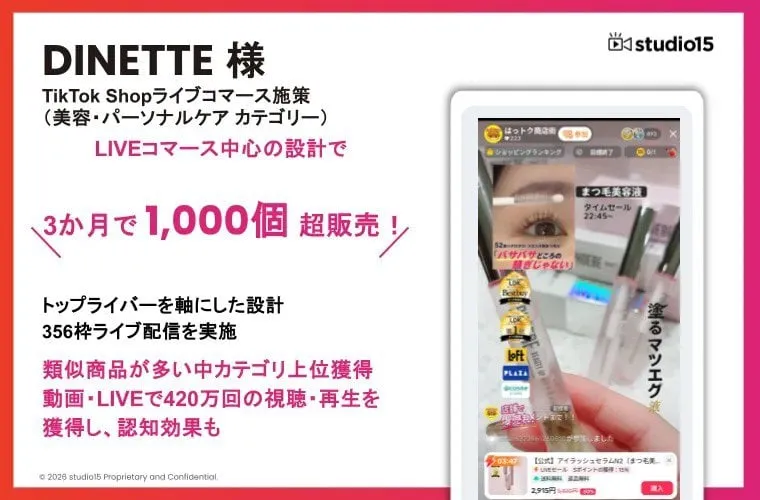
studio15’s published case cover includes a PHOEBE livestream demonstration. Image: studio15 / DINETTE.
studio15 reports 951 orders and 1,099 units sold through its creator activity. Of those orders, 703 were attributed to LIVE. The program involved 356 livestream sessions carrying the products. This is a sales result with a stated period and channel contribution, although revenue amounts, complete costs, returns and incremental impact are not disclosed.
- 951Orders through creator activity
- 1,099Units sold
- 703Orders attributed to LIVE
- 356Livestream sessions carrying the products
Units and orders are different measures; neither establishes the number of new customers.
The volume of sessions also deserves a proper look. Livestream commerce can require repeated scheduling, product training, stock coordination and feedback. A report may lead with the sales total while your team inherits the operational workload. Before borrowing the format, price the people and time needed to sustain it. A successful host should not have to discover during a broadcast that the product link is broken or the advertised bundle has sold out.
Choose presenters using a sample selling conversation. Can they explain who the product suits, demonstrate the application clearly and answer a predictable objection without inventing a benefit? For beauty, agree on the claims the brand can support and keep product use accurate. An entertaining host who improvises unsupported efficacy claims creates a different kind of conversion problem.
Build a review rhythm around the session. Capture recurring questions, product-page exits where available, checkout performance and returns. Use those observations to change the next demonstration, offer or landing page. Keep the presenter involved: the person who heard the questions may understand the friction better than the person reading the dashboard afterward.
Build the pilot to establish contribution after the full program cost. Keep the presenter’s personality intact: product knowledge does not require the delivery style of an instruction manual.
Immigrant Food put a provocative product into an everyday ritual
An ice tray called “F*CK ICE” was never going to be a neutral piece of kitchenware. Immigrant Food’s January 2026 launch gave a political position a physical form. The creator campaign then placed that object inside something very ordinary: making a cold drink.
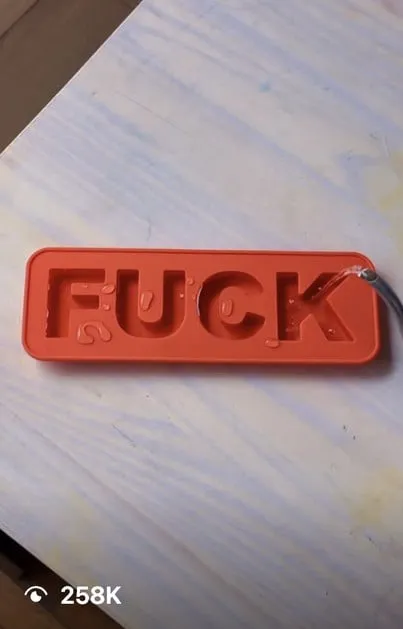
HEADLINE’s campaign account describes creators incorporating the tray into iced coffee, matcha, juice and mocktail content. Selection emphasized audiences already aligned with immigrant advocacy. The agency reports more than 1.75 million views, with roughly 70% coming from gifted creators. It also lists $2,500 in media spending, which is only one cost component, not the total campaign budget.
- 1.75M+Campaign views
- ~70%Share of views from gifted creators
- $2,500Media spending (one cost component, not total budget)
The creative choice is more instructive than the provocation alone. A political message can ask a creator to interrupt their usual content and deliver a statement. Here, the object supplied a familiar action to film. Pour, freeze, serve: the message became visible through use. A creator could retain the pacing and setting their audience recognized while choosing to support the position.
That is why “send unusual gifts” is an incomplete lesson. A gift needs a reason to appear, an action worth showing and a recipient who wants the association. If any of those is missing, you have paid to ship a product that may never leave its packaging. The creator does not owe you an enthusiastic post because the courier found the address.
For an advocacy-led brand, creator selection also requires a serious conversation about the position being expressed. Give potential partners the full context before they agree, including what the product supports and what claims can be substantiated. Immigrant Food’s product page says 25% of profits support immigrant causes; that commitment should be described precisely, rather than rewritten as a percentage of revenue or a verified donation total.
The reported gifted share of views is evidence about this campaign’s distribution. It cannot tell you that gifting generally beats paid partnerships, or how many recipients posted nothing. If you test a similar approach, record products sent, posts received, creator costs and the resulting customer actions. Keep the gifted and contracted groups visible in the analysis. The broader lesson is demanding enough: build the creative around a behavior the creator can credibly own. The strongest object in the box may be the one that gives them something to say.
HAIKYU gave fandom humor a route to installation
The late-March creator posts promoting HAIKYU!! FLY HIGH’s April Fool’s event understood their audience’s reference points. SSBlayze turned an imaginary team strategy meeting into a skit. SpectreX Gaming mixed creator commentary with game footage and directed viewers toward the event. The creative had something for fans to recognize before it asked them to act.
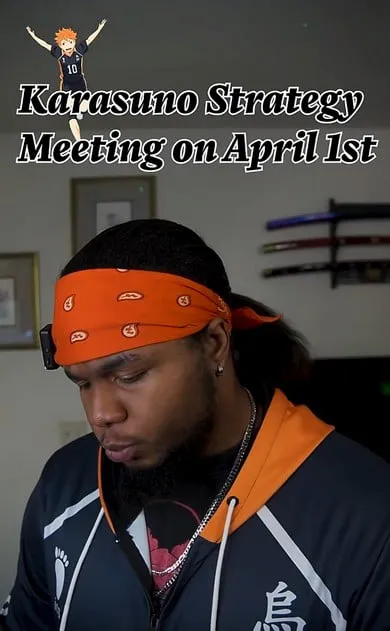
GameInfluencer’s campaign report describes 11 comedy, anime and gaming creators across the US, Germany and France. It reports 2.88 million total views, more than 25,000 clicks, 1,474 installs and 824 registrations. Every video supplied seven-day Spark Ads authorization for Garena’s team. Organic and paid contributions are not separated, and the published figures do not disclose acquisition cost or incrementality.
- 2.88MTotal views
- 25,000+Clicks
- 1,474Installs
- 824Registrations
What makes this more useful than a large viewing number is the movement into the product. An install and a registration are different steps, and neither is a paying player. Even so, seeing both gives a marketer a more concrete starting point for questions about onboarding than a report that ends when the video finishes.
The original SSBlayze post shows a format with an existing reason to entertain: recognizable characters and a deliberately ridiculous situation. The challenge for a game marketer is keeping that entertainment connected to something available in the game. A joke that attracts millions of people who have no interest in playing can still leave acquisition disappointed.
Before briefing, agree on the event or feature the content will promote, the date it becomes available and the action viewers should take. Have someone outside the campaign team follow the link on a phone. Check whether the store listing and first experience explain the same promise. A mismatch between a delightful creator video and a confusing install journey is an expensive place to lose momentum.
Then plan distribution with the content. NeoReach’s earlier InBody work combined creator product content with paid Meta distribution, illustrating the same practical need to connect creative and media planning. For a game launch, secure the permissions needed for the intended test and define how a post qualifies for amplification. Look at downstream behavior as well as watch time when allocating the next round of spend.
The next test should follow the players: completion of onboarding, retention and value over time. Those measures would help determine whether the people who enjoyed the joke also found a game worth keeping.
Samsung gave each launch moment a different creative job
A major phone launch can generate an impressive quantity of nearly identical unboxings. Samsung’s Galaxy S26 program with PersonEdge offers a more useful planning example: a sequence that moved from intrigue into demonstrations and locally relevant uses around the February 2026 launch.
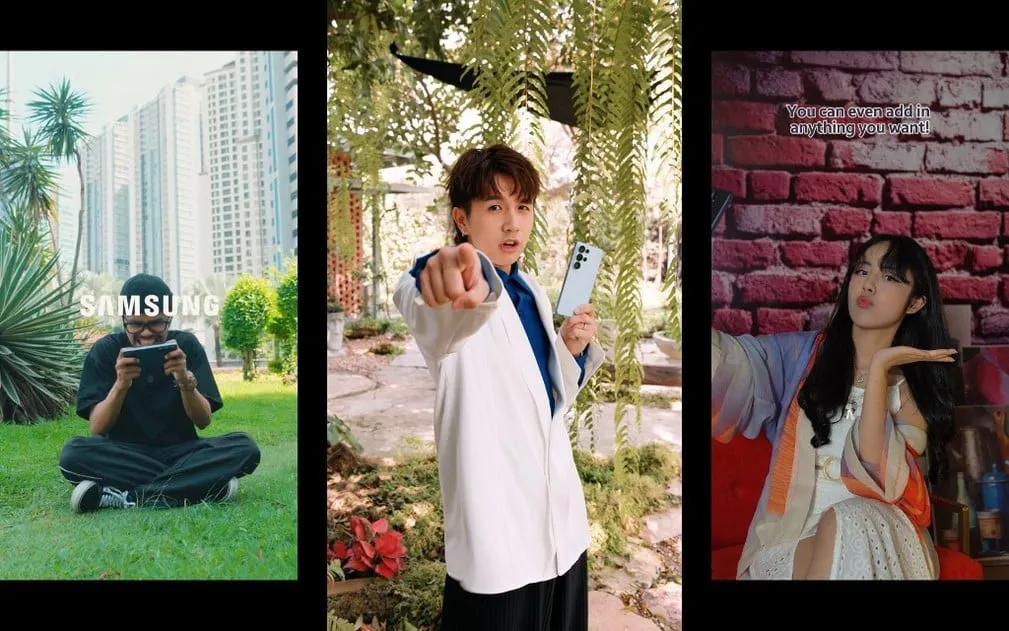
Different settings give the phone different uses to demonstrate. Campaign montage: PersonEdge / Samsung.
PersonEdge describes early impressions in Bangkok, Malaysian creators joining the US launch, hands-on content in Kuala Lumpur and later Raya creative, camera explorations and “26 Dares” showing phone functions. The agency reports more than 10.7 million views and 497,000-plus engagements across the program. It does not break out which phase produced which result, or publish sales and paid-media contributions.
- 10.7M+Views across the program
- 497,000+Engagements
The value of the structure is the distinction between the questions each moment can answer. Before a launch, people may want to know what is coming. During the reveal, they need to see what is different. Afterward, they need help deciding whether those differences matter in their own lives. An embargo lift does not make all three questions disappear.
For a product with many features, give each creator a task that can expose a useful capability. Ask a photographer to solve a real shooting problem or a traveler to show a specific mobile workflow. Those are proposed applications, not claims about PersonEdge’s exact briefs. They turn the feature into something an audience can inspect, including what it takes to get the result.
There is a relevant precedent in NeoReach’s earlier NVIDIA student campaign, which gave technical creators projects to build using RTX laptops. The principle travels well: a task supplies a reason to show the product working. It also gives the reviewer a better approval question than whether every feature name appeared in the script.
Make the sequence visible in the brief and in reporting. Record the question each asset answers, the audience it is intended to reach and the next action available to that audience. If a later demonstration receives fewer views than a launch-day spectacle, that alone does not tell you it failed. Look at the response appropriate to its job, such as qualified product-page visits or consideration research, while keeping distribution conditions in view.
Your content calendar should help a buyer learn something new as the launch progresses; otherwise, repetition can become an unusually well-funded way to stand still.
The ICC gave different communities different ways into cricket
The ICC’s T20 Creator Club treated tournament access as material for several kinds of entertainment. At the February–March 2026 Men’s T20 World Cup, a tech audience could watch broadcast production, a gaming audience could watch player interactions, and comedy viewers could enjoy commentary impersonations. The sport did not need every creator to become the same kind of sports reporter.
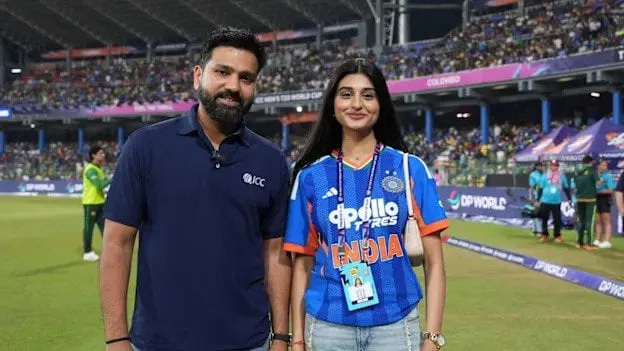
Tournament access, pictured in the ICC’s Creator Club report. Photo: ICC.
The ICC’s March results release reports more than 2.5 billion video views across the global program, involving over 350 creators. Within that total, host-market creator activity generated more than 1.66 billion organic views from over 1,100 posts. The global total includes a partner network; it is not the result of one sponsor’s activation.
- 2.5B+Video views across the global program
- 350+Creators involved
- 1.66B+Organic views from host-market creator activity
- 1,100+Host-market creator posts
The planning lesson is to assign access according to what a creator can make with it. A backstage pass is a permission slip. The useful creative asset might be the engineer willing to explain a camera system, the player available for a short exchange, or the commentator prepared to join a joke. Each requires a different arrangement before the creator arrives.
A smaller brand can use the same principle without renting a stadium. Consider a factory visit, a product lab, a kitchen or a customer event. A maker may need to handle materials. A food creator may need to speak to the person developing recipes. A technology specialist may want to challenge a product claim. Sending all three through the same presentation would waste the reason you invited them.
Prepare for the audience the creator brings. Brief internal experts on what they can demonstrate, reserve time for questions, and confirm filming rights in the locations that matter. Ask for a proposed angle before agreeing to the visit, then leave enough flexibility for a better story to emerge. Hospitality makes the day pleasant; useful access makes the content possible.
The ICC figures establish scale of viewing, with an organic subset stated clearly. They do not count unique new fans or prove changes in ticket buying. A brand borrowing this approach should add an objective-specific measure: qualified product discovery, registrations, or research that tests whether the content reached people outside its existing audience. Ask each creator which part of the experience would interest their audience, then make that part available. A brief to capture the atmosphere leaves too much of that work until the event.
Fenty made the live shopping format worth tuning into
Rihanna applying lipstick alongside Melinda Melrose is a more concrete proposition than a brand asking people to join its next livestream. Fenty Beauty’s October 6 Mega Live put product use inside a show with recognizable people. The event ran for 12 hours, with Rihanna taking part in a makeup demonstration and internet-personality cohosts rotating through the broadcast.
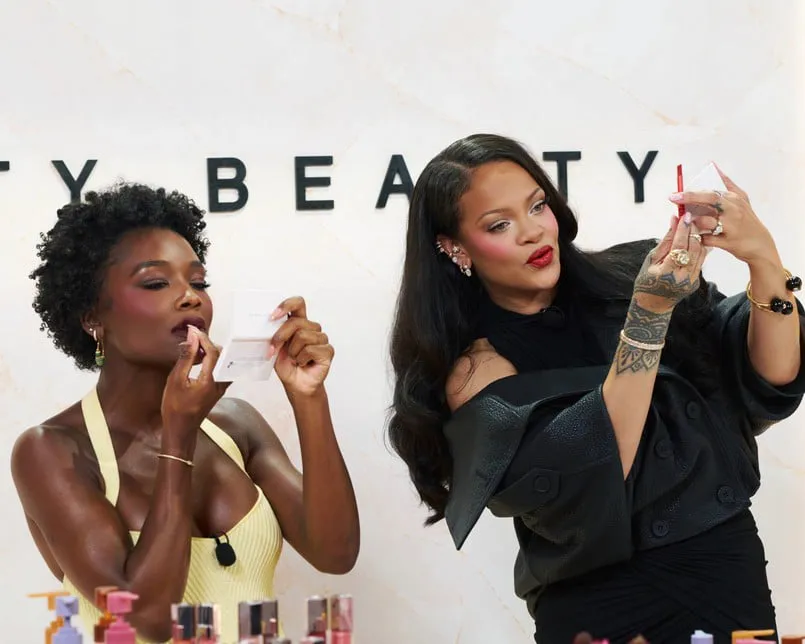
Melinda Melrose and Rihanna during the Mega Live. Image: WWD / Fenty Beauty.
WWD’s reporting describes the event and a preview of a new Stunna Stix lipstick shade. According to the brand figures in that report, the broadcast reached one million unique viewers. TikTok’s own account reports 53 million impressions. Those are audience results; neither source provides a sales total for this activation.
- 1MUnique viewers (brand figure via WWD)
- 53MImpressions (TikTok)
- 12 hoursLength of the Mega Live broadcast
Fenty earns its place for making a shopping format feel like something people might choose to watch. The celebrity can create an appointment, while the demonstration gives the product a job inside it. Those roles are worth separating in the production plan. The person who draws viewers in may not be the only person you need to help them choose.
For a brand without Rihanna, the practical question is what makes the session worth attending at a particular time. A product preview, a useful comparison or a creator answering questions in real time can create a reason. Each needs an actual promise in the invitation and enough preparation to deliver it. “We are going live” describes your publishing decision, not the viewer’s benefit.
Write a running order for people arriving late: show the product, explain the segment and make the next action clear. Rehearse host changes and repeat explanations that help newcomers without exhausting regular viewers. The live audience should not have to debug the show.
Assign someone to the commerce operation while the hosts focus on the show. Check product availability, active offers, links and incoming questions. Log when products and offers appear so the reporting team can interpret the response afterward. If a spike in orders follows a discount announcement, do not automatically attribute the entire change to whichever creator happened to be speaking.
Your own test can connect Fenty’s audience question with PHOEBE’s sales question: who arrives, who stays, what they buy and what they keep. The stage can be glamorous. The checkout still has to work.
Afia turned food creators into teams people could vote for
A cooking-oil and spices brand does not have to manufacture a connection to football by putting a ball next to the pack. For the 2026 World Cup, Afia Arabia built a cooking tournament. Eight Saudi-based food creators represented national teams, prepared dishes using Afia products and faced audience votes to decide who progressed.
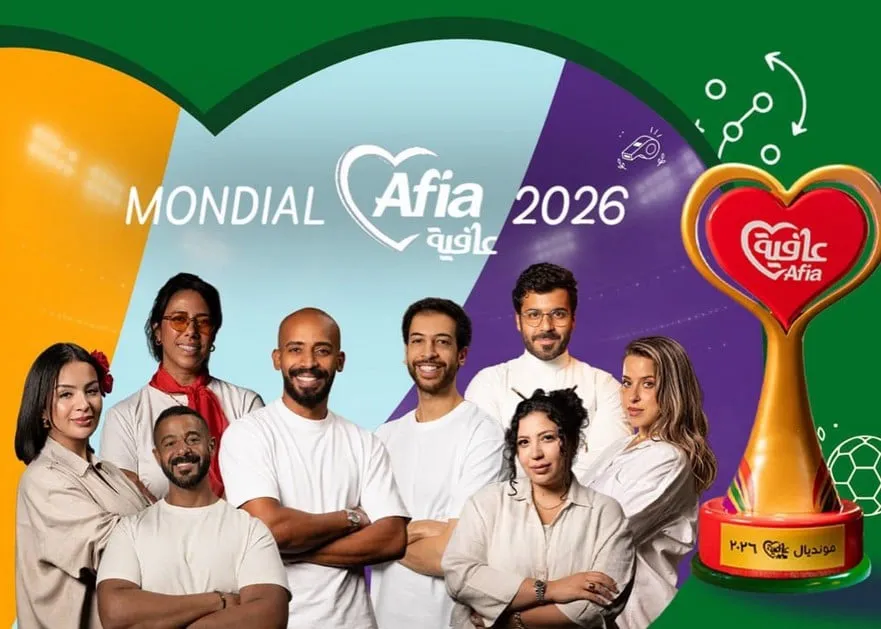
Afia Mondial’s eight food creators. Campaign artwork: Afia Arabia / Campaign Middle East.
Campaign Middle East’s account of Afia Mondial describes a draw followed by appetizer, main-course and dessert rounds, with sports-style commentary. The competition borrowed an event structure the audience could understand and applied it to something the product could actually help make.
Arbaaa Media’s September results release reports more than 42 million campaign views and 29,936 Instagram votes. Paid amplification supported distribution. The votes are cumulative actions across rounds, not a count of unique people. There is no public sales result attached to those figures.
- 42M+Campaign views
- 29,936Instagram votes (cumulative across rounds)
The strongest part of the idea is that the audience’s action changed what happened next. Choosing a winner was designed to give people a reason to inspect the dishes, compare creators and return for another round. A generic engagement prompt asks for a comment that may have no consequence. A competition can make the response part of the content, provided the rules are clear and the outcome is respected.
Product relevance also matters. The oil and spices belonged in the recipes. For your campaign, require a truthful product role that can be shown without interrupting the activity. Keep the cooking worth watching; a pack shot cannot rescue a dull recipe.
If you adapt the idea, settle the competition mechanics before recruiting the cast. Decide what people vote on, how long each round stays open, how ties work and what happens when a popular creator leaves early. Plan the winner announcement as carefully as the opening. An audience that helped determine the result deserves to see it delivered.
Measure votes per round, repeat participation where observable and visits to recipes or products. Separate paid distribution in the analysis. Then rehearse the voting journey and result announcement. If the rules need a lengthy explanation, simplify them before asking a creator to make them entertaining.
Sunrise Festival gave fans a brief and a reason to publish
Festival fans already have opinions about the lineup, their outfits and which friends need convincing to come. Sunrise Festival used those subjects as creative material in the seven weeks leading into its June 26–28, 2026 edition. The program gave fans a structured way to turn their anticipation into posts.
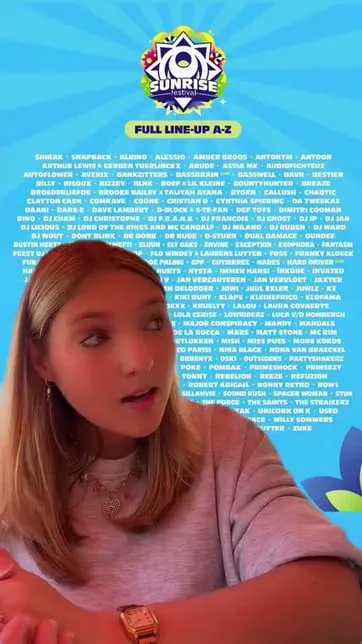
Innercrowd reports that around 200 fans created 323 TikToks, generating 4.2 million campaign views. Approved content earned points redeemable for tickets. Assignments included lineup choices, outfit checks and getting-ready videos, with more open creative options too. More than 30 posts became Spark Ads. The public total does not separate paid from organic views, and no attributed ticket-sales result is supplied.
- ~200Fans who created content
- 323Fan TikToks
- 4.2MCampaign views
- 30+Posts that became Spark Ads
Ticket rewards have a cost. Include their value in the program budget, then decide how much content and commercial response would justify the investment.
The interesting planning move is the relationship between the assignment and the audience’s actual decision. A lineup post can help a friend decide whether the event is worth a weekend. An outfit video can make attendance feel more immediate. A getting-ready clip can let someone imagine being there. Those are useful hypotheses for creative testing because each suggests a different message and destination.
If you run a fan program, keep the tasks specific enough to be actionable and open enough for people to add their own point of view. State what qualifies for the reward, how approval works and when participants will receive it. Include the relevant disclosure requirements in the brief. Review workload belongs in the operating plan too: recruiting enthusiastic fans is easier than processing hundreds of submissions consistently.
Separate content selection from paid-media validation. A post that performs well with the creator’s followers has earned a test, not an unlimited advertising budget. Confirm rights, run the selected assets under a comparable paid objective and inspect the ticket journey. Track ticket value, platform costs, review time and media spending when evaluating the program. Otherwise, a low-looking content fee can hide a surprisingly busy team.
The next step for a brand adapting the model is to connect that system to profitable attendance or another defined outcome. A fan community can supply enthusiasm and perspective. It still needs a clear agreement and a destination that rewards the effort.
Choose the behavior before you borrow the idea
Across these campaigns, the most useful planning question is what the audience could do with the content. Vita Coco supplied a sound to reuse. Afia supplied a choice that affected the next episode. PHOEBE put an explanation next to a purchase opportunity. HAIKYU connected a fan reference to an in-game event. Those are concrete relationships between the creative and the response.
Start your next brief with the consumer obstacle. If people do not understand the product, commission a demonstration that answers the sticking point. If they know the product but have no reason to discuss it, look for an idea they can participate in. If they are ready to buy, inspect the offer, stock and destination before spending more to bring them there. Creator selection becomes more precise when the intended change is clear.
You can be very literal about the shopper’s task. In NeoReach’s earlier Sam’s Club holiday campaign, eight creators demonstrated gift-card shopping in store and seven showed the online process. That first-party execution detail is useful because it identifies what the content actually helped someone do.
Give the team room for both planned delivery and a promising surprise. LPQ could extend a character; Vita Coco could extend a song. Before your next launch, nominate the person who can approve a follow-up, reserve realistic production capacity and identify the limits that cannot move. This lets the creative team respond without asking the organization to improvise every commercial detail after a post takes off.
Finally, decide which result will change your budget decision. A view records a platform-defined play. A vote establishes an action inside a campaign. An attributed order gets closer to the business question, but still needs costs, returns and an appropriate comparison before you can judge contribution. Match the test to the investment. The more budget you intend to repeat, the more useful it becomes to distinguish what would have happened anyway.
Bring one of these examples to the next planning meeting with a proposed adaptation, a named consumer response and a measurement plan. Keep the part that makes the idea work, then make it specific to your product and audience. You do not need your own CFO eating a pastry. You need a reason for people to care, and a clear answer for what happens when they do.