The creator ideas people shared, remade, debated and joined, and what their reported results can teach your next campaign.
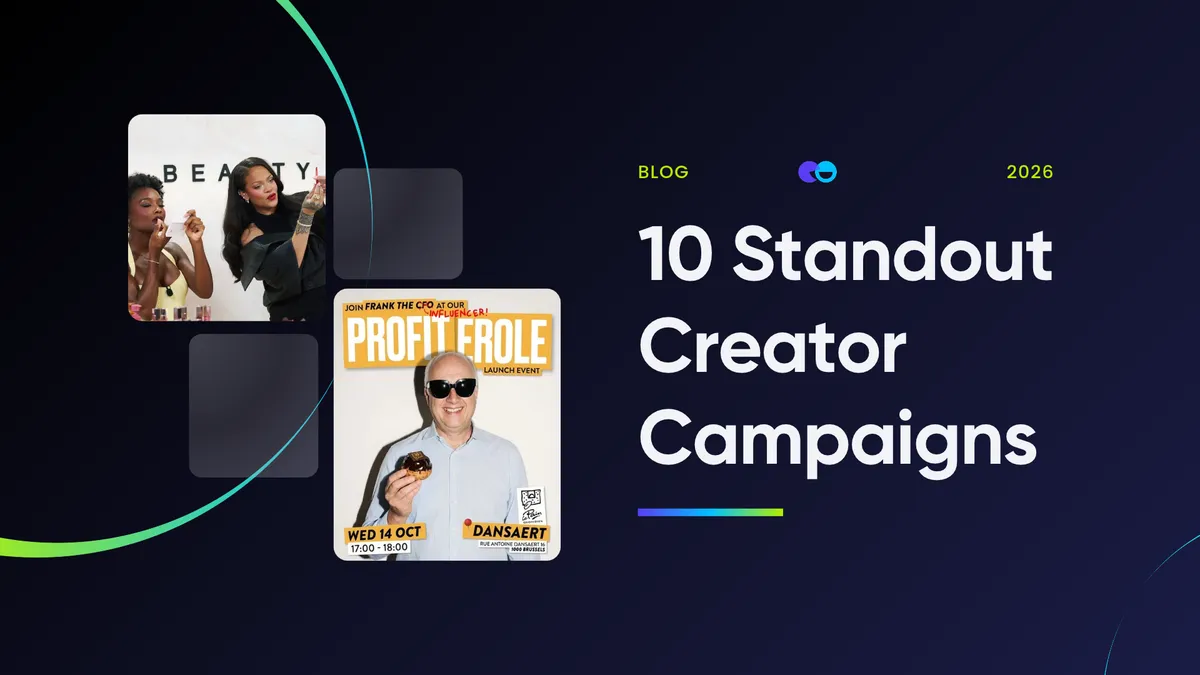
A beauty-tech brand sponsored a creator’s bachelorette trip. The internet argued about the luxury. Then Swan Beauty reported 19.9 million impressions and a 533% week-over-week increase in mirror sales. A luxury weekend had become a very public marketing experiment.
Start with the trip. It captures the question behind this year’s most interesting viral campaigns: when people pass your content around, what exactly are they passing on?
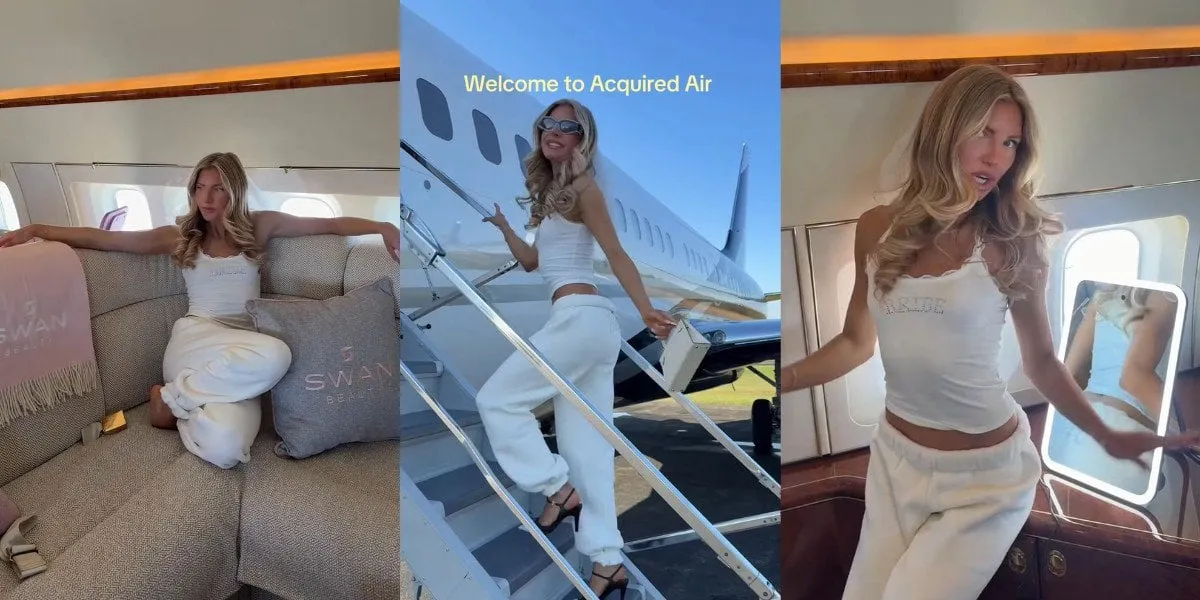
Creator imagery: Brigette Pheloung / Swan Beauty, via The Lexington Line.
Viral campaigns gave people a reason to share
A song they could use. A joke they wanted a colleague to see. A vote that moved their favorite creator into the next round. A sponsorship they needed to discuss in the group chat. These are different reasons for a campaign to travel, and they require different decisions from the team commissioning it.
This is NeoReach’s editorial selection of ten of the most viral influencer marketing campaigns of 2026 through November 4. We prioritized documented sharing, audience participation, reuse or visibility beyond the contracted posts, alongside a verifiable activation this year. Celebrity partnerships and creator programs both feature. Le Pain Quotidien is an explicitly employee-led exception: its CFO appeared on the brand’s own account, making the response to influencer marketing part of the story.
The numbering is editorial, not a comparable global ranking. Views can include repeat watching and paid delivery; impressions are not unique people. Most results are company or agency reports, rather than independent audits. We retain their definitions and scope.
Ask why someone would send, remake or discuss the content, then whether that behavior helps the brand. People can love the entertainment and forget the product. Your reporting needs to distinguish the two.
How these campaigns spread
Reported evidence at a glance

Campaign | Reported spread signal |
|---|---|
Swan Beauty | 19.9M impressions; public debate |
Vita Coco | 8,000+ TikTok audio users |
Dunkin | 74,000 shares |
Cornetto | 250,000 video shares |
PepsiCo | 65M+ views in initial 24 hours |
Expedia | 400M+ reported campaign reach |
ICC | 1.66B+ organic host-market views |
Afia | 12,200 shares; 14 unpaid participants |
Immigrant Food | ~70% of views from gifted creators |
Le Pain Quotidien | 10M+ original-clip views |
Company, agency or campaign-team reports at different dates through November 4, 2026. These are different measures and scopes, not comparable rankings. Case sections link to the underlying reports.
Swan Beauty made a sponsored trip the conversation
Brigette Pheloung, known as @acquiredstyle, took her bachelorette party to St. Barth’s in April with Swan Beauty behind the experience. The product was an AI-enabled beauty mirror; getting-ready content supplied an obvious setting for it. The scale of the luxury supplied a second story, which viewers could debate whether or not they wanted the product.
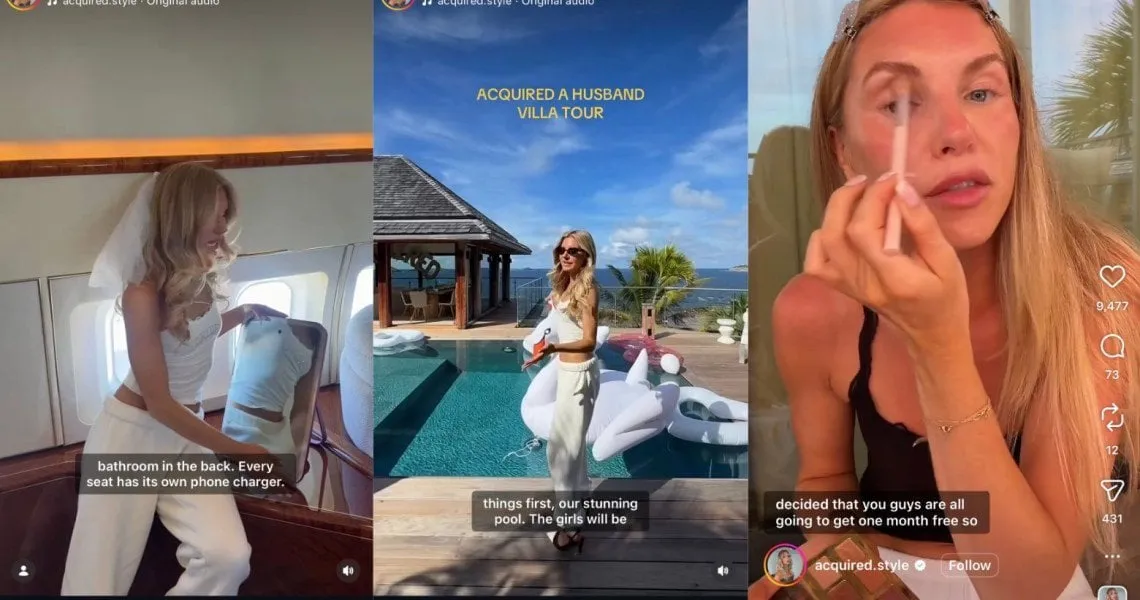
Creator screenshots: Brigette Pheloung / Swan Beauty, via Glossy.
Glossy’s April 28 interview with the founder documented the sponsorship, reaction on social platforms and Reddit, and the distinction between contracted posts and gifted guests. Only the Pheloung sisters had posting requirements. That matters: the wider conversation was not simply a count of everyone fulfilling an identical content brief.
In its April 30 update, Swan reported 1.2 million engagements alongside the impression and sales figures in our opening. The weekly sales increase is a before-and-after comparison. Without starting volumes, full costs or a control, it cannot establish profitable incremental growth. A percentage can be spectacular while leaving the commercial question quite open.
- 19.9MImpressions reported by Swan Beauty
- 533%Week-over-week increase in mirror sales
- 1.2MEngagements reported in Swan's April 30 update
Our interpretation is that the partnership created two entry points: beauty enthusiasts could inspect the product in use, while everyone else could inspect the sponsorship itself. That second route expanded what there was to discuss. It also reduced the brand’s control over the conversation. The audience was free to make the luxury, rather than the mirror, the main event.
Borrow the product setting before you borrow the extravagance. If a product belongs in a recurring creator ritual, identify what it genuinely helps the creator do there. For a beauty tool, that might be applying a look or understanding a feature. For luggage, it might be packing for the journey. A logo on a pillow does very little explaining by itself.
Then build the response plan around the questions the spectacle might generate. Have a clear product explanation, a usable destination and someone empowered to answer criticism. Compare product questions, qualified visits and purchase behavior with the volume of reaction posts. Review whether attention is coming from prospective customers or spectators. Both can make the campaign famous; only one group is likely to make your next revenue meeting easier. The recommendation here is to prepare for attention that arrives on its own terms, not to manufacture outrage and hope finance enjoys the screenshots.
Vita Coco gave people a jingle they could make their own
Vita Coco’s work with Romeo Bingham demonstrates a particularly useful form of virality: the audience carries the brand idea into new content. Bingham’s paid jingle collaboration developed across early 2026, giving the product a recognizable sound and giving viewers something they could use rather than merely watch.
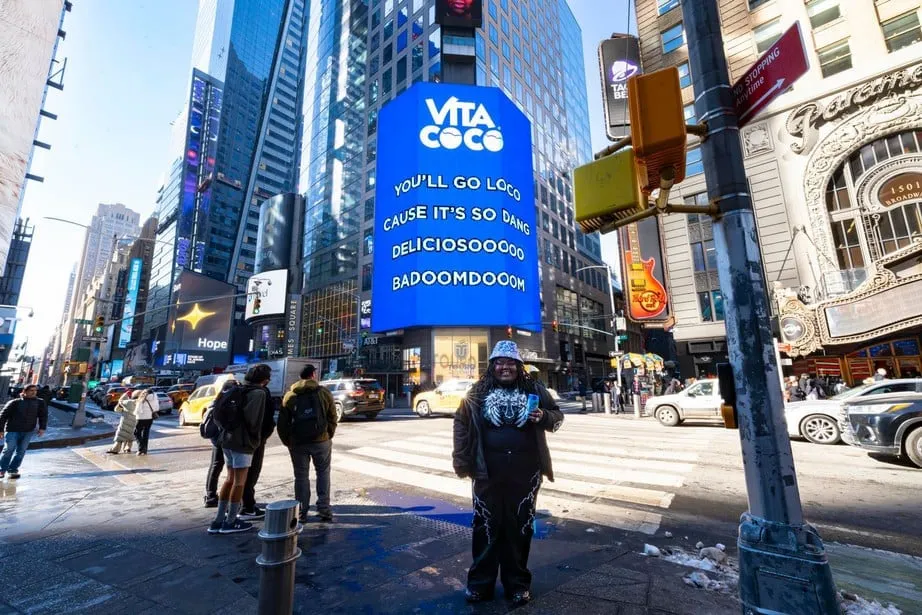
Photo: CLIQSTREET MEDIA / Vita Coco.
By February 13, the brand reported more than 245 million cumulative impressions and 130,000 new TikTok followers in a month. By March, its CMO said more than 8,000 TikTok users had made videos using the audio. Those are separate snapshots. The reuse is the stronger evidence for this list because it describes people extending the creative.
- 245M+Cumulative impressions by February 13
- 130,000New TikTok followers in a month
- 8,000+TikTok users who made videos using the audio, by March
The partnership also produced a physical scene worth filming. CLIQSTREET MEDIA’s campaign account shows Bingham beneath a Times Square billboard carrying the jingle. The creator remained visible as its originator while the brand gave the work another setting.
A reusable asset changes what you are buying. The initial post introduces the idea, but subsequent audience versions can become additional encounters with it. That does not make participation automatic or free of production and rights costs. It does make the creator’s ability to originate something portable commercially important. You are assessing a creative contribution as well as a distribution channel.
For your next brief, test whether the central idea still works in someone else’s hands. A sound, a demonstration template or a recurring recipe can offer a clear way to participate. A tightly scripted brand monologue usually gives the audience less to do. The practical test is to explain the invitation in one sentence without needing three pages of instructions or a prize to make it sound enjoyable.
Track participating accounts separately from contracted delivery and inspect whether the product remains recognizable in remakes. Pair reuse with search or qualified traffic. The public result supports participation, not a claim that every user became a buyer.
Dunkin gave a functional product a character worth sharing
Protein milk could easily have produced an ad that felt like a nutrition panel with a soundtrack. Dunkin chose Megan Thee Stallion as Pro-Tina, the instructor in a retro workout world. The January 7 launch introduced the product through “Dunk N’ Pump,” an original track and a playful fitness performance.

The campaign’s June 5 awards case reports 74,000 shares and 17.5 million organic social impressions on Dunkin’s owned channels, alongside 667,000 engagements. The result belongs to the reported campaign scope; it is not a unique-audience figure or a demonstrated increase in beverage sales. The case does, however, provide a concrete sharing measure rather than relying entirely on the word viral.
- 74,000Shares
- 17.5MOrganic social impressions on Dunkin’s owned channels
- 667,000Engagements
The creative gives the product attribute a setting that can exaggerate it. Protein leads to fitness; fitness leads to a character, movement, wardrobe and music. The production company’s project page preserves the finished execution. You can see how the performer’s role supplies the entertainment while keeping the product proposition understandable.
Our interpretation is that the campaign made the functional message enjoyable to encounter more than once. The surprise came from how the benefit was performed. That is a useful distinction for teams whose briefs begin with a long list of approved product facts. Accuracy matters, but a fact sheet does not decide the shape of a scene.
Choose the one product attribute the audience needs to remember, then ask which creator behavior can make it visible. A comedian might dramatize an everyday frustration. A cook might expose a useful difference in preparation. A performer might build a recognizable character around the product occasion. The creator’s existing skills should help make the choice, rather than being squeezed into a format selected before casting.
During creative review, ask someone outside the project to explain the product benefit after watching. This simple check can expose excellent entertainment with a product that has wandered into the wrong room.
Keep shares alongside product-message recall and relevant sales measures. Do not invent a share-rate benchmark from figures without matching windows. The character’s job is to make a specific benefit recognizable and enjoyable enough to circulate.
Cornetto made an old jingle surprising again
Cornetto paired a familiar advertising jingle with Susan Boyle and a dance remix. The June 2026 launch coverage shows the collaboration extending into a gondola appearance in London’s Little Venice. A legacy brand asset became material for a contemporary celebrity story.
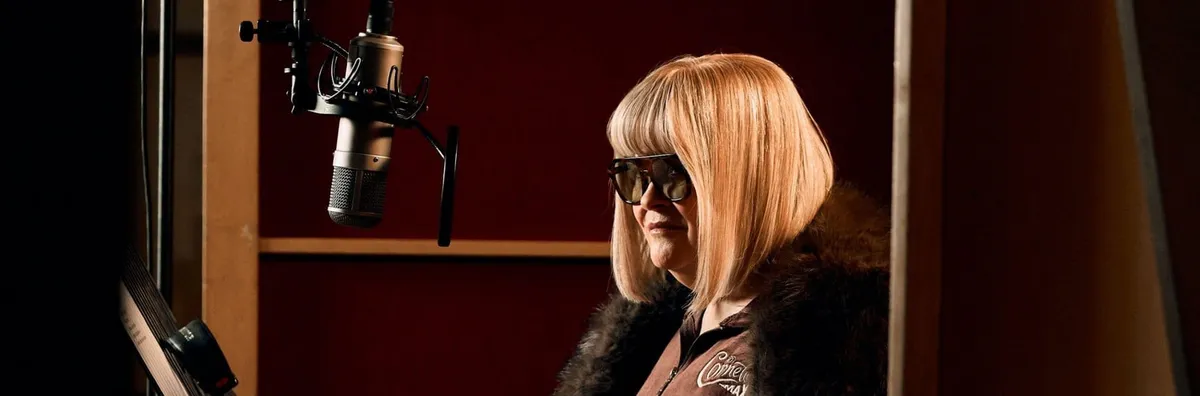
Campaign photo: Cornetto / Susan Boyle, via Creative Moment.
The rollout began with late-May makeover imagery that invited speculation before the product reveal. The song arrived on June 1. In an October 5 interview with the campaign team, the agency reported 250,000 video shares across TikTok and Instagram by the end of summer, alongside 20,000 branded social mentions. Sales results were still pending.
- 250,000Video shares across TikTok and Instagram by the end of summer
- 20,000Branded social mentions
The interesting choice is the relationship between recognition and surprise. A familiar melody gives existing audiences something to identify immediately. An unexpected treatment gives them something new to send. Our read is that the collaboration offered a simple reason to send it: look who is doing this, and listen to what they have done with it.
That is different from using nostalgia as decoration. If an old asset appears only as background, it may please a few viewers without creating a reason to circulate the post. Here the reinterpretation was the event. The brand’s recognizable material stayed close to the reason for attention, which is a useful protection against celebrity content that leaves the sponsor behind.
Before reaching for your archive, find out what your intended audience actually recognizes. A slogan beloved inside the company may mean nothing to a younger customer. Test a short excerpt or image with people outside the marketing team, then decide whether to rely on recognition or explain it. Corporate memory is a surprisingly unreliable audience research tool.
The creator should change the asset in a way that makes sense for their talent. Commission an interpretation with a clear connection to the product, and agree on music, performance and reuse rights before building extensions around it. Plan the reveal so curiosity can resolve into a recognizable brand idea. Withholding information indefinitely gives people a mystery to solve and very little reason to care who paid for it.
For measurement, examine what viewers mention and share: the performer, the song, the product or the combination. Shared content is stronger evidence of transmission than a large exposure estimate, but it does not tell you whether the brand benefited commercially. Cornetto earns its place through a reported sharing result and a particularly clear example of making existing brand material worth discussing again.
PepsiCo made creators part of the product drop
PepsiCo’s Flavor Swap launch gave creators a visible place on the product itself. IShowSpeed, Madison Beer and Dude Perfect appeared on limited-edition packs that moved familiar flavors between chip brands. TikTok Shop received the drop on February 16, ahead of retail on March 1. Teasers began in late 2025; the product release and results discussed here are from 2026.
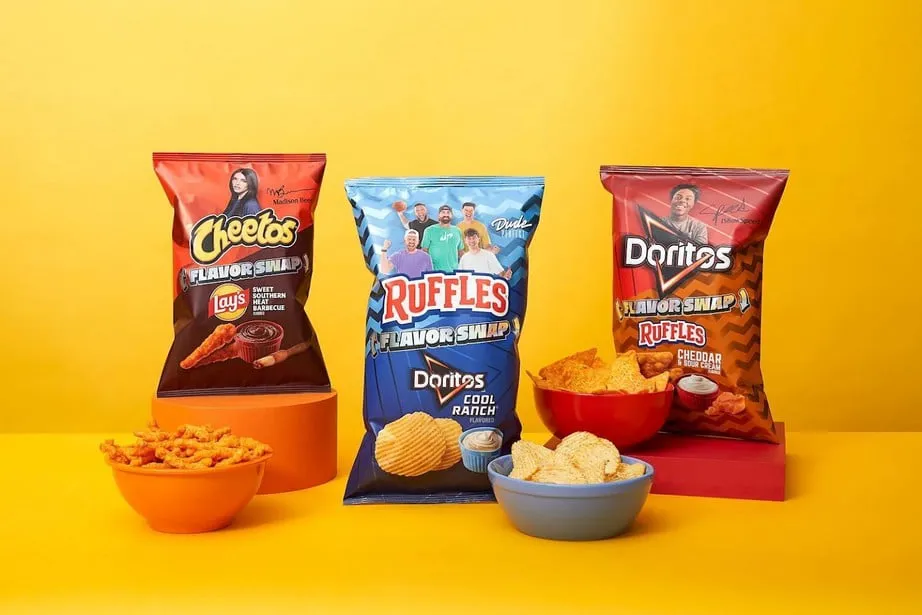
Campaign image: PepsiCo / D3 / OMD, via Feats.
PepsiCo Foods U.S. chief creative officer Chris Bellinger reported 65 million-plus content views and more than one million social engagements in the initial 24 hours, with no paid media yet. His launch-results post also described more than 1,100 affiliate creators and sales of 300–400 bundles an hour. Those are company-reported launch observations, not independently audited incremental sales.
- 65M+Content views in the initial 24 hours, with no paid media yet
- 1M+Social engagements in the initial 24 hours
- 1,100+Affiliate creators
- 300–400Bundles sold an hour
The distinction around distribution deserves attention. No paid media at that point does not mean a campaign without commercial incentives. Headline talent, affiliate participation and production remain economic inputs. Nor should a large affiliate roster be relabeled spontaneous customer content. The case is valuable precisely because it shows a planned creator network surrounding a product people could react to and buy.
Swapped flavors supply an immediate question: what does this familiar thing taste like in that unfamiliar form? A creator can answer it, argue with another response or invite viewers to choose. The pack also makes the collaboration tangible. In our reading, that gives both the initial reveal and subsequent tasting content a straightforward reason to exist.
For a brand considering a creator product collaboration, separate the roles in the plan. The headline partner can introduce the drop and its identity. Reviewers can demonstrate or compare it. Affiliates can explain the offer and connect a viewer to purchase. Ask what each group contributes that the others cannot, rather than buying the same launch speech at several follower counts.
Match release dates, product access, stock information and affiliate terms before the reveal. Make the buying destination clear. If a creator receives the wrong product or an expired offer, creative freedom will not repair the experience.
Assess launch demand separately from sustained sales. Do not extrapolate an hourly sales rate across days the source never measured. Examine returns, margin and replenishment before scaling; the initial burst does not establish equally strong national retail performance.
Expedia gave creator travel a destination beyond the stream
Expedia became IShowSpeed’s official travel partner in April, supporting a Caribbean travel livestream and an “Exspeedia” destination for the audience. The launch announcement connected clips, travel options and audience participation. The creator’s journey supplied an unfolding story; the travel company supplied a way to explore the places appearing in it.
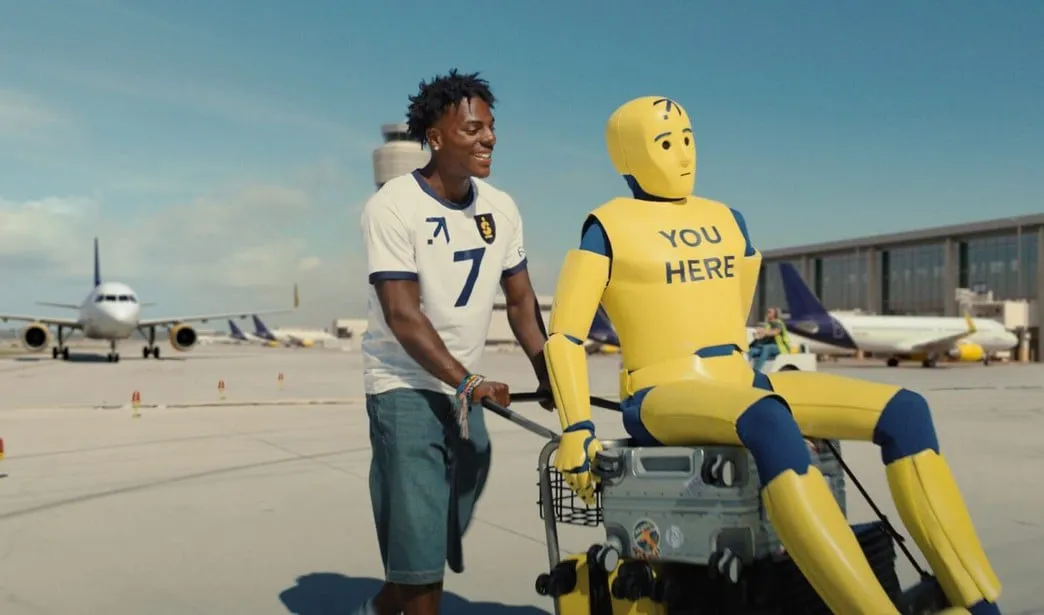
Image: Expedia / IShowSpeed, via Tubefilter.
Expedia reported more than 400 million in cross-platform campaign reach. That is a broad campaign claim, with no public deduplication method or paid-versus-organic breakdown. It is not 400 million unique livestream viewers. Direct share counts are unavailable, so this case demonstrates exceptional reported distribution rather than a verified organic-only spread.
The June campaign update adds a more useful consumer response: Expedia searches increased 70% for Sint Maarten, 50% for Guadeloupe and 35% for Dominica in the days after the livestream. Absolute search volumes, the comparison baseline and a causal test are not disclosed. Searches indicate exploration; bookings and incremental revenue would require further evidence.
- 400M+Cross-platform campaign reach reported by Expedia
- 70%Increase in Expedia searches for Sint Maarten after the livestream
- 50%Increase in Expedia searches for Guadeloupe
- 35%Increase in Expedia searches for Dominica
The travel hub connected entertainment to a practical question: could I go there? Our read is that keeping destinations and options close to the creator’s story made the next step easier to understand.
For your campaign, map the questions likely to follow the strongest scene. Where was that filmed? Which product did they use? Can I buy the same combination? Create an answer that preserves the context of the creator’s content. A generic homepage asks the viewer to reconstruct the journey alone, which is an unnecessarily demanding way to welcome newfound interest.
Prepare product information and approval routes for useful follow-up clips without scripting away the appeal of the live format. A long broadcast is not automatically a large supply of good campaign edits.
Track movement into the destination separately from content distribution. Follow visits toward a commercial action within a consistent window. For larger investment, compare changes with similar unexposed audiences or destinations. Expedia’s published search figures signal curiosity; they do not establish bookings.
The ICC let creators open different doors into one tournament
The ICC’s Creator Club at the Men’s T20 World Cup ran around a sporting event with existing fan stakes. The February–March 2026 program gave creators access they could interpret for their own audiences. Gaming personality Payal Dhare’s player interactions and Tech Burner’s interest in broadcast production illustrate how the same tournament could support very different entry points.
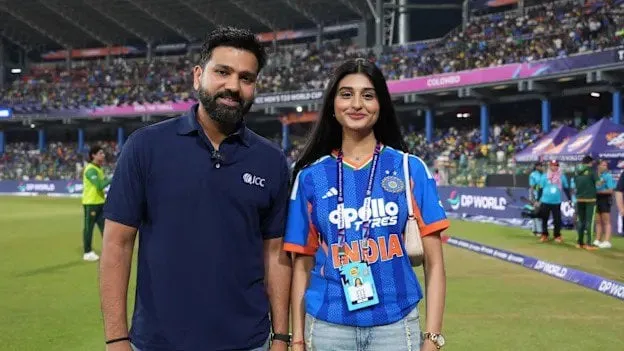
Photo: ICC.
In its March 26 report, the ICC reported more than 2.5 billion global video views. A host-market subset in India and Sri Lanka generated more than 1.66 billion organic views across 1,100-plus posts. It also reported 21 creator posts above 15 million views. The host-market figure is included in the global total, not additional to it.
- 2.5B+Global video views
- 1.66B+Organic views in host markets India and Sri Lanka (included in global total)
- 1,100+Host-market posts
- 21Creator posts above 15 million views
This is an event-wide creator program, rather than one brand buying a single post. The figures are the organizer’s account, not an independent audit, and views are not unique fans. Nevertheless, the explicitly organic subset makes the case more informative than a headline total with no distribution context.
Our reading is that access was valuable because creators could make different parts of the event interesting. A technology audience may care how a broadcast is produced. A gaming audience may come for a familiar personality meeting a player. Those are reasons to watch that do not require every creator to become a conventional cricket reporter.
If you are planning an event partnership, brief around what a creator is uniquely equipped to notice. Identify the person, process or experience that would make sense within their existing work. Then give them the access and time to develop it. Ten people standing in front of the same sponsor wall can deliver ten posts while contributing only one idea.
Confirm interview access, filming permissions and approval times before the event. The opportunity can disappear if a creator learns about a restriction only after capturing the strongest scene.
Inspect performance across creators so one exceptional post does not hide the rest. Separate organic and paid viewing where possible, and add measures relevant to your sponsorship. Event-wide attention does not establish that every sponsor received equivalent value.
Afia turned a football moment into a food tournament
Afia Mondial gave eight Saudi food creators national teams and a reason to compete during the 2026 World Cup period. Dishes, rounds and audience voting made the activation an ongoing food tournament. The campaign account shows the brand using a familiar competitive format to make cooking content something viewers could take sides on.
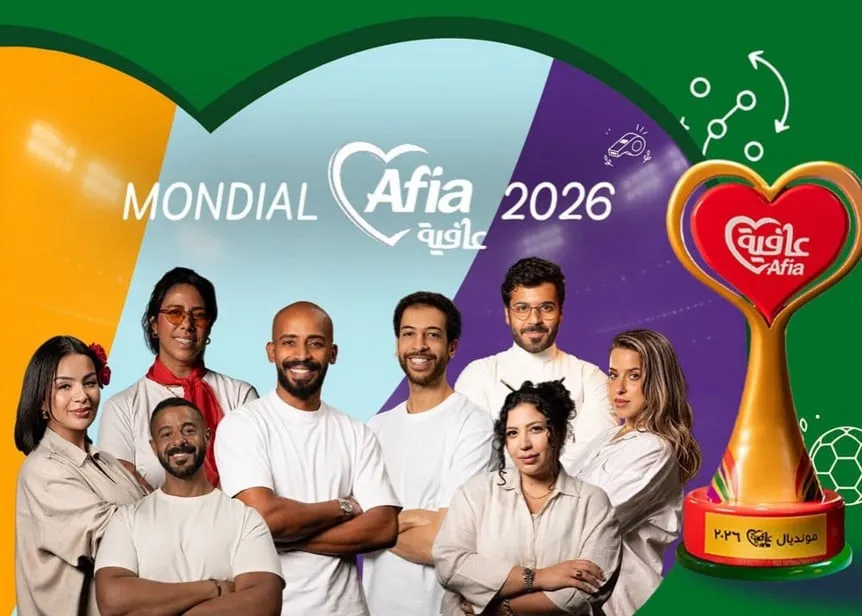
TArtwork: Afia Arabia / Campaign Middle East.
The agency’s September results release reports 12,200 shares, 29,936 Instagram votes and 14 additional creators or public figures participating unpaid, beyond the contracted eight. The campaign also recorded more than 42 million views across paid and organic distribution. For a viral-campaign analysis, the sharing and additional participation are more useful than presenting that blended view total as purely earned reach.
- 12,200Shares
- 29,936Instagram votes
- 14Additional creators or public figures participating unpaid
- 42M+Views across paid and organic distribution
Votes are cumulative actions, not necessarily distinct people. The unpaid-participation count is agency-reported. These results document interaction and additional distribution, without establishing sales lift.
The mechanism is the consequence attached to attention. Choosing a favorite can affect who progresses, so the next installment has a reason to exist. A viewer can recruit someone else to support the same choice. Our interpretation is that the competition adds a social purpose to watching a recipe: people can express allegiance and return to see whether it mattered.
For a brand, the useful adaptation is to make participation understandable before adding complexity. Show who is competing, what viewers are choosing and when the result appears. If the vote has no influence on the outcome, avoid presenting it as though it does. An audience should not need an operations manual to understand whether its action counts.
Choose a competitive premise that leaves room for your product’s actual use. In food, preparation and tasting can demonstrate an ingredient while advancing the contest. In another category, the equivalent might be solving a practical problem or comparing applications. The competition should give the product a role, rather than adding branding to an unrelated game.
Publish the rules and schedule, agree on responsibilities between rounds, and prepare for disputed outcomes. Track repeat participation and shares separately from paid viewing. Giving viewers a vote that changes the result creates a reason to return; commercial contribution needs separate measurement.
Immigrant Food made a political position easy to show
An ice tray spelling “F*CK ICE” arrives with a position already attached. Immigrant Food’s January launch turned that position into an object creators could use in the ordinary business of making a drink. The message appeared through the product demonstration.
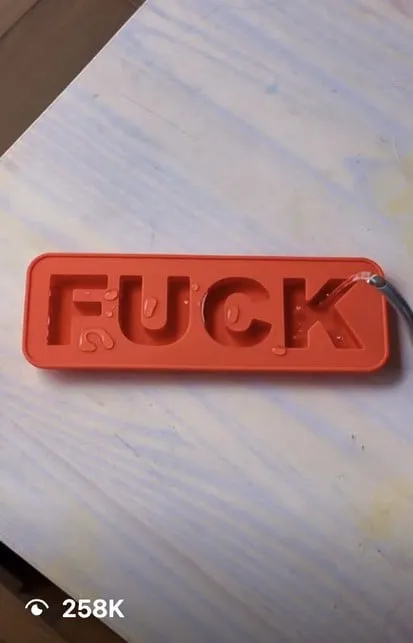
HEADLINE reports more than 1.75 million views, with about 70% coming from gifted creators. Its account describes use in iced coffee, matcha and other drinks, with creators selected for aligned audiences. The reported $2,500 media spend is one cost component, not a total campaign budget. The gifted-creator share is the relevant distribution signal; it does not mean those views were unique people or establish a measured sharing rate.
- 1.75M+Views reported by HEADLINE
- ~70%Share of views coming from gifted creators
- $2,500Reported media spend (one cost component, not total budget)
An arresting object gave creators a reveal to film within a familiar sequence. The political stance also gave viewers something to discuss beyond whether the drink looked good. That makes this smaller activation useful alongside the celebrity launches.
The brand’s product page says 25% of profits support immigrant community organizations. That is a stated commitment, not a disclosed donation total. Keep that distinction in any creator brief: the strength of the position does not excuse imprecision about what a purchase funds.
The transferable lesson is to inspect the action your product makes possible. Can a creator reveal, transform, test or demonstrate something within a format they already use? For product seeding, that question is more productive than assembling a long mailing list and hoping everyone finds a camera angle. A gift should make a useful content idea available. It does not create a posting obligation.
Advocacy also makes consent and context central to creator selection. Share the full position, the commercial arrangement and the substantiation for any cause-related claim before asking someone to participate. Let creators decide whether they want the association. Their willingness to express a view cannot be inferred from a few relevant hashtags.
Track products delivered, creators who voluntarily publish, and the response their posts generate. Examine shares where available and visits to the product or cause explanation. Controversy alone does not explain the result: the object still needs a willing creator and an understandable use.
Le Pain Quotidien made its CFO the unexpected creator
The October 2 Reel shows CFO Frank Gysbrechts drinking coffee beside a pastry. The overlay says an influencer wanted €2,000 and the CFO would do it for free. The casting supplies the joke: the person associated with watching the money becomes the talent.
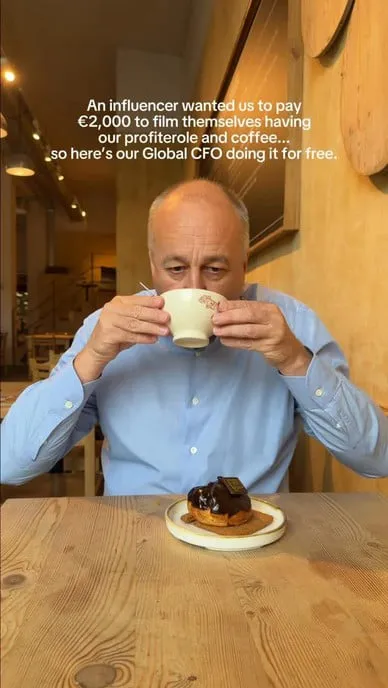
On October 13, Le Pain Quotidien reported more than 10 million views, 500,000 engagements and 15,000 new followers. This is the employee-led exception in our selection. It was brand-owned content about influencer marketing, rather than a conventional paid creator placement. That boundary is part of what makes it interesting.
- 10M+Views of the original clip
- 500,000Engagements
- 15,000New followers
The fee was the brand’s characterization, and the proposed scope is not public. An employee’s time and the work around a campaign also have costs. Please enjoy the joke without converting it into a universal procurement policy. A pastry video is a poor substitute for understanding deliverables and usage rights.
The team subsequently developed more content and an in-store event. The agency’s follow-up account put the expanded activity at 15 million views and more than 100 event sign-ups. That expanded view total overlaps the original clip; it should not be added to it. Registrations indicate interest in attending, rather than verified attendance or purchases.
- 15MViews across the expanded activity (overlaps the original clip)
- 100+Event sign-ups
Our read is that the shareable tension was already familiar to a working audience: spending scrutiny versus the effort required to get noticed. The CFO made the tension visible without a lengthy explanation. Putting an arbitrary colleague in the same chair would not necessarily have carried the same meaning. Low production complexity was an advantage because the idea did not require more equipment to become legible.
For marketers, the useful operating decision is what to do when an unexpected character attracts attention. Preserve what the audience recognizes, then give the next appearance a purpose. An event invitation, an answer to a recurring question or a new product use can advance the story. Repeating the same punchline on schedule can wear it out just as efficiently.
Nominate a follow-up approver and establish what the team can produce within a day or two. When viewers ask where to try the product, make the answer easy to find. Track whether the invitation produces action.
Give people a reason to pass it on, then plan what happens next
Across these campaigns, the creative makes a particular audience response possible. Vita Coco provides material to reuse. Afia gives viewers a role in the outcome. Swan makes a partnership itself discussable. Le Pain Quotidien gives a familiar workplace tension a face. The mechanism is specific enough to describe without relying on “authenticity” or “engagement” to do all the explaining.
Start your next planning meeting with the act of sharing. Name who would send the content, to whom, and why. A useful demonstration might go to someone considering the product. A recognizable joke might go to a colleague. A tournament vote might go to friends who support the same contestant. If the proposed recipient is simply “everyone,” the brief probably needs another conversation.
Next, check what travels with the entertainment. Can viewers identify the brand, the product and a reason it matters? In NeoReach’s earlier NVIDIA campaign, creators supplied product context through gaming and technology content. That is a useful first-party reminder to keep the product’s role legible. It is historical context, not an additional 2026 viral result. A widely shared scene that explains nothing about the sponsor can still be useful for awareness, but it should be bought and judged on that basis.
Separate the measurement work into questions the team can actually answer. How much distribution did you buy or contract? What additional behavior occurred through shares, remakes, voting or unsolicited participation? What followed commercially? Report each with its period and definition. The distinctions prevent a paid reach total from quietly becoming an earned-media claim, or an attributed purchase from becoming proof of an incremental one.
Build the next move into the production plan. Decide who can extend the idea, what rights are required, which stock or service constraints matter and who responds when the conversation becomes uncomfortable. Protect the creator’s role in the idea and pay for agreed extensions. A campaign that spreads can generate more work for its originator, not merely more exposure.
Finally, set a decision rule for further investment. You might continue testing when audience remakes preserve the brand and generate qualified visits. You might revise the creative when comments discuss only the spectacle. You might stop scaling when demand exceeds available stock or customer support capacity. Choose the response your business can support and the evidence that would justify doing more. Virality is uncertain. The quality of the decision you make after attention arrives can be much more deliberate.