















Table of Contents
We have about one more full week in Black History Month – although, celebrating Black history and working to eradicate systemic oppression extends beyond February. Unfortunately, there are those that get it wrong. Maybe it’s disingenuous efforts to show solidarity that end as soon as the month does or more complex issues due to the nuanced nature of something of this magnitude. Some even actively dread the month and what people decide to come up with to gain brownie points without making real changes. We are here to shed some light on the do’s and don’ts in launching Black History Month campaigns.
Overview of BHM+
Black History Month is observed annually for the whole month of February, and that comes with recognizing the achievements and the central role of Black people in U.S. history. In the late 1960s, it evolved from a week of recognition, established by historian Carter G. Woodson and others, to Black History Month on college campuses.
This was in part due to the civil rights movement and an awareness of the identity of Black people. However, it is not only recognized in the U.S., as Canada and the United Kingdom also devote a month to celebrate Black History. Going back to the 1920s, every year, a theme is provided to focus the attention of the public, and this year it’s “Black Health and Wellness.” Its celebration tends to be controversial among brands due to the performative activism that usually comes with it.
Do
Here are some tips and a few positively received Black History Month campaigns explaining why they were executed well.
Recognize Black history year-round
You might’ve heard the phrase “it is more than a month” repeated many times, and that is true. BHM is not just a trend that should only be participated in when it is popular and can garner views and engagements. Some ways to recognize that are by highlighting Black businesses, leaders, creators, and commissioning Black designers to remake their products. Additionally, you can give scholarships, and join forces with Black people/creators for collaborations.
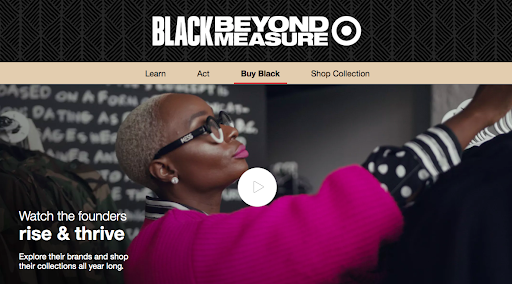 Target’s campaign, “Black Beyond Measure,” leads by example in amplifying success stories and celebrating what it means to be Black. Products from Black-owned businesses, as well as Black entrepreneurs and Black Target team members, are showcased.
Something that is often overlooked is to recognize your black employees and their achievements. Ensuring that their input is heard and valued in the company is vital. Diversity Equity and Inclusion should be integrated into your strategies for long-term success. By doing this, you show that the different perspectives and backgrounds of your employees and coworkers are understood and respected.

TikTok started off its Black History Month campaigns by celebrating #BlackTikTok. It includes Black music playlists, new in-app stickers, a billboard tribute covering the Pendry West Hollywood, stories highlighting this year’s Black TikTok Trailblazers, and TikTok LIVE programming that spotlights Black creators making waves on and off the platform. This is a worldwide initiative that will continue beyond Black History Month.
Interested in working with influencers for a campaign? Check out this blog to see some African-American creators you could spotlight in your next one.
Don’t
As we hinted at earlier, performative activism is a huge don’t. Rather than devotion to the overall cause, the purpose is to increase one’s social capital and appearance online. This type of activism is counterproductive and downright harmful to the act of solidarity that is supposed to be the goal.
Here are some examples.
- Posting a statement on social media without taking offline action
- Changing the brand logo colors or covers of works and leaving it at that

One of Barnes & Noble’s Black History Month campaigns from 2020 did the latter, and it ended up being a huge miss. The book retailer initiated a plan to launch classics such as Frankenstein, “Romeo & Juliet”, and The Wonderful Wizard of Oz, with redesigned covers that featured black characters. However, after facing criticism, they released a statement announcing its suspension of the initiative.
Taking these works created by non-black people, and promoting these with black characters on the cover does nothing. Whether it’s graphics shared on social media or the use of a trending hashtag, all have no lasting impact and fail to work towards or drive systemic change.
Interested in working with influencers for a campaign? Check out this blog to see some other mistakes every brand should avoid.
Back in 2019, Adidas released a Black History Month collection which included an all-white shoe called “Ultraboost Uncaged.” Social media was quick to respond, due to the color and name in association with BHM. From there, the product was withdrawn from the collection. This highlights the importance of having a diverse and educated team of employees whose cultural knowledge and insight are valued.
— J (@8JFLOW8) January 20, 2019
Looking to run an epic influencer marketing campaign for your new business? NeoReach has the best experience in creating viral campaigns that convert on social media. Sign up here!
Summary
As we embark on the last week of Black History Month, this is an active push to let it last more than a month. With these dos and don’ts, ensure that your solidarity is not just when it’s trending or during this month. It is vital that the strategies within Black History Month campaigns are sustainable and implemented all throughout your company. There should be no question as to its authenticity in line with the brand’s purpose. Black accomplishments and contributions shouldn’t be limited to a month’s appreciation. The discussion needs to expand and continue year-round, as the contributions of Black people do not only exist in the past. Now you can see some ways to celebrate and continue this conversation.