Define the business outcome
Agree on the audience, the behavior to change and the measurement plan before creator selection begins.

 Agency
Strategy, creators, content, media and measurement — connected by one senior team and built around the result.






Strategy, creators, content, distribution and measurement should not live in separate silos. NeoReach connects every capability around what your business needs to change.
Start with the outcome. We assemble the right combination around it.
Influencer marketing run end-to-end — research, casting, briefs, content, paid amplification, and attribution, one senior team from brief to wrap.
Full-service is exactly that: NeoReach owns the whole program. It starts with consumer and market research to understand the buyer, moves through fraud-screened creator discovery and casting, and into briefs, content production, and paid amplification, on every platform that fits.
Whitelisted creator content run as performance media — Spark Ads, Partnership Ads, and paid amplification across every feed.
Paid is where creator content earns its keep. We capture the UGC your influencer program already produces, run a disciplined creative-testing process to find the winners, and put paid budget behind them across every major ad auction.
Rights-cleared, creator-made content built for your paid ads and owned channels — from short hooks to full features.
UGC is a strategic approach where brands collaborate with creators to produce exclusive, high-quality content, made for your social channels, paid ads, and marketing platforms rather than the creator's own feed.
Always-on channel strategy, content, and community — your brand showing up consistently everywhere your audience already is.
Social media management means we own your channels day to day: strategy, content calendar, creative, publishing, and community, so your brand shows up consistently and on-message everywhere your audience already is.
Gifting pipelines, mailers, and fulfilment at scale — the right product in the right hands at the right moment.
Product seeding, also known as influencer gifting, is sending your product to carefully chosen creators and encouraging them to use it and share it with their followers. It is especially powerful for new launches: it generates buzz, builds social proof, and gives consumers the confidence to buy.
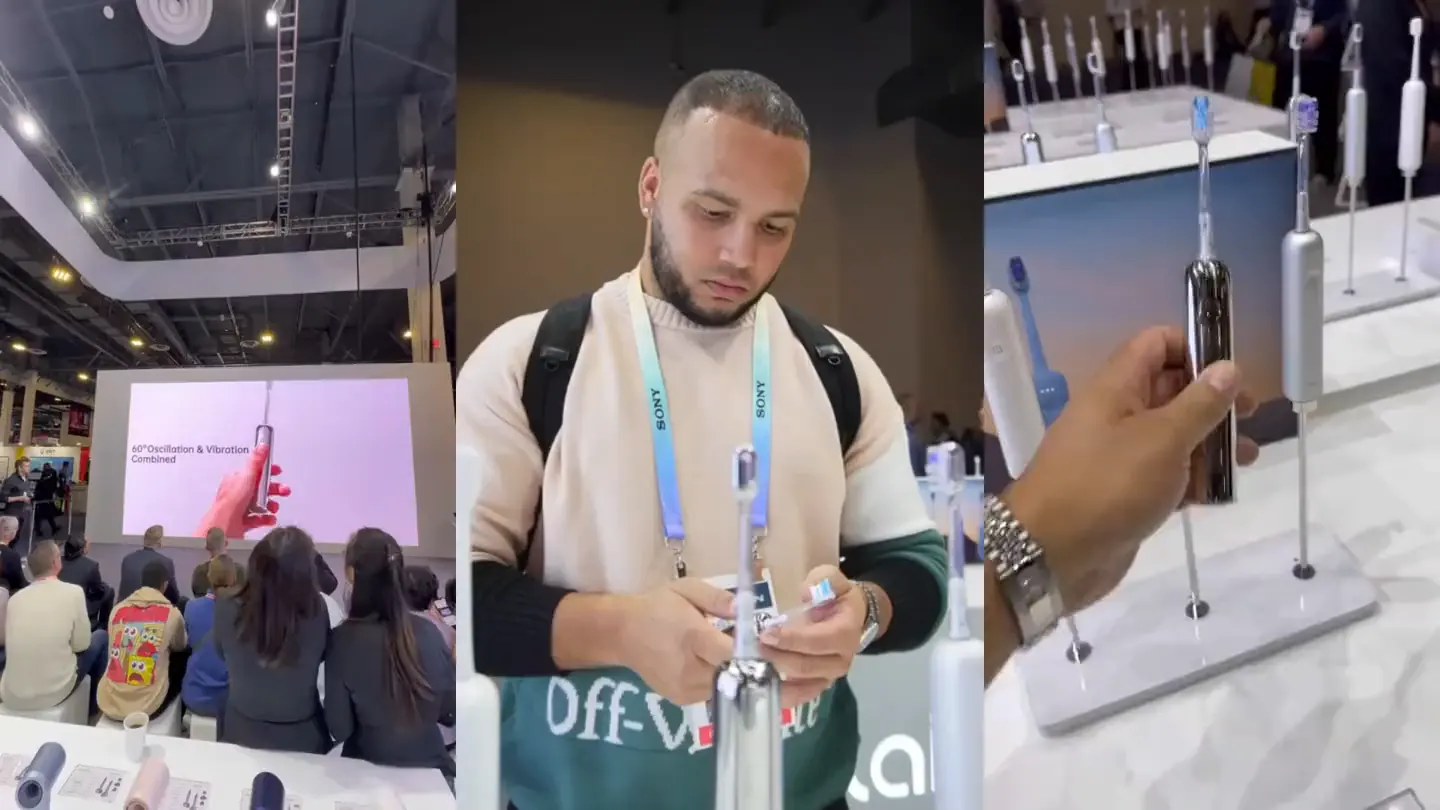
On-site creator activations, production crews, and coverage that turn a few days on the floor into lasting reach.
Connecting with your audience at events and trade shows is about presence. We leverage influencers and content creators to amplify your brand on the floor and online, designing innovative activations that help you dominate your conference, expo or launch.
Programmatic data, reporting, and integrations.
Different briefs require different creator systems. The common thread is a measurable outcome.
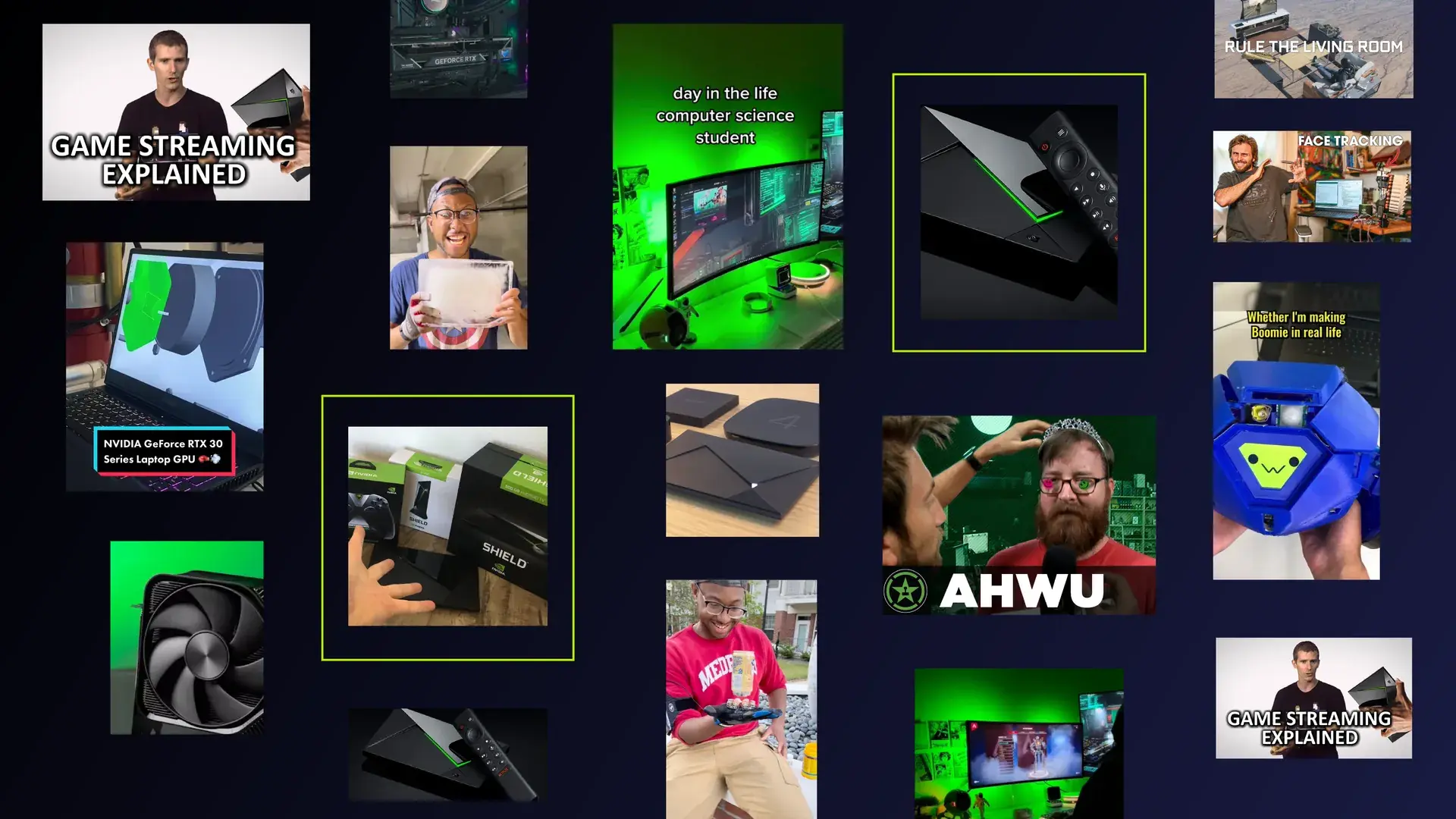
NVIDIA partnered with NeoReach to promote new Shield Fiber TV releases and Google Fiber partnership discount codes through influencer marketing.
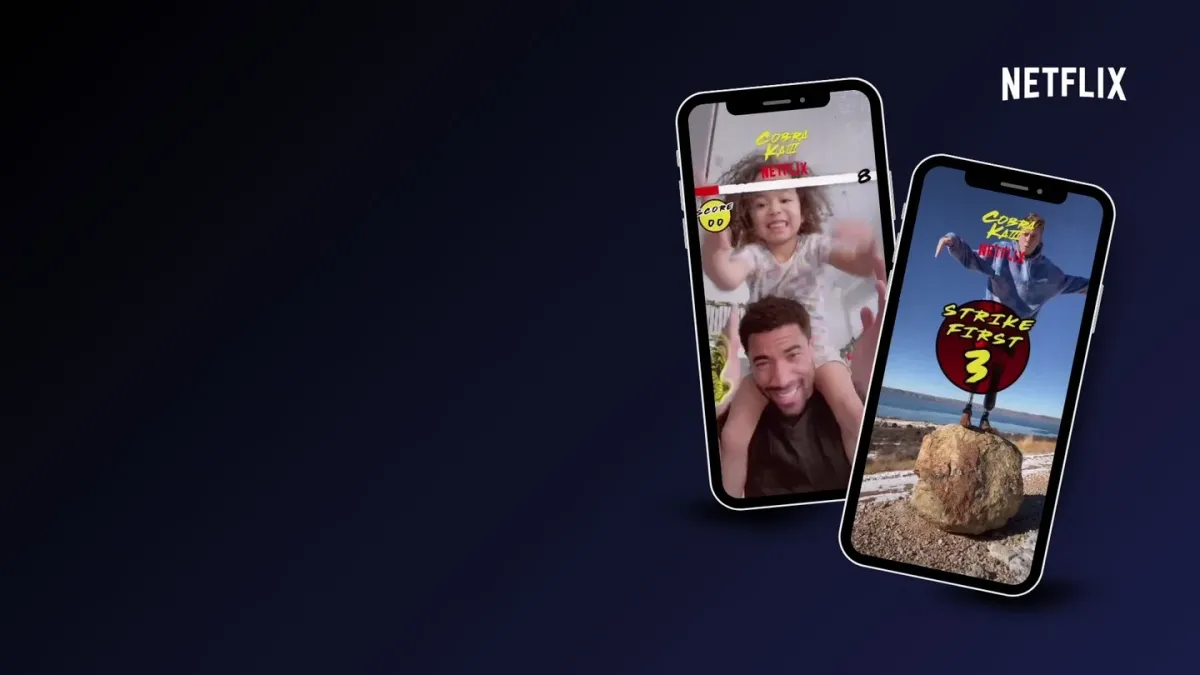

Netflix partnered with NeoReach to promote Cobra Kai Season 3 using TikTok's interactive Cobra Kai Chop filter. The campaign activated diverse creators across multiple countries and helped spike #CobraKaiChop views by over 500 million.


FIFA partnered with NeoReach to generate international enthusiasm for the 2022 World Cup in Doha, Qatar by activating 17 influencers from 5 countries to experience the FIFA Club World Cup first-hand and create content showcasing Doha's culture and readiness.
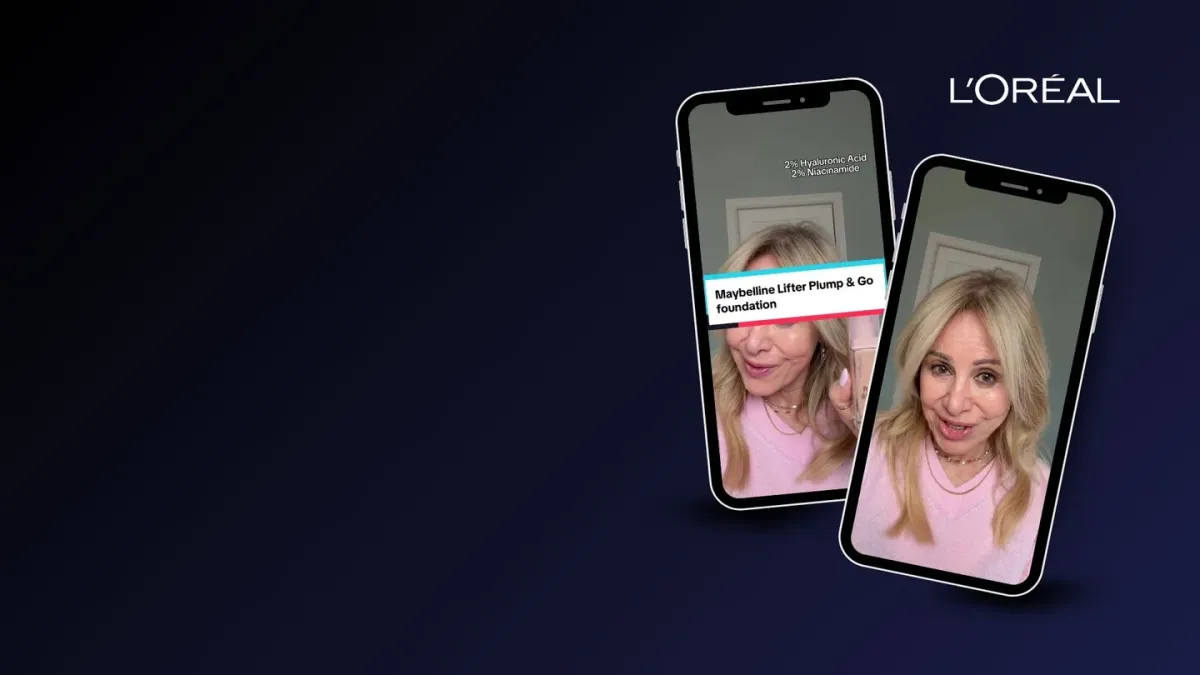

An Instagram campaign for Maybelline in the Canadian market, built to put the product in front of beauty audiences on the platform where they already follow it. The creator content drew 331K views.
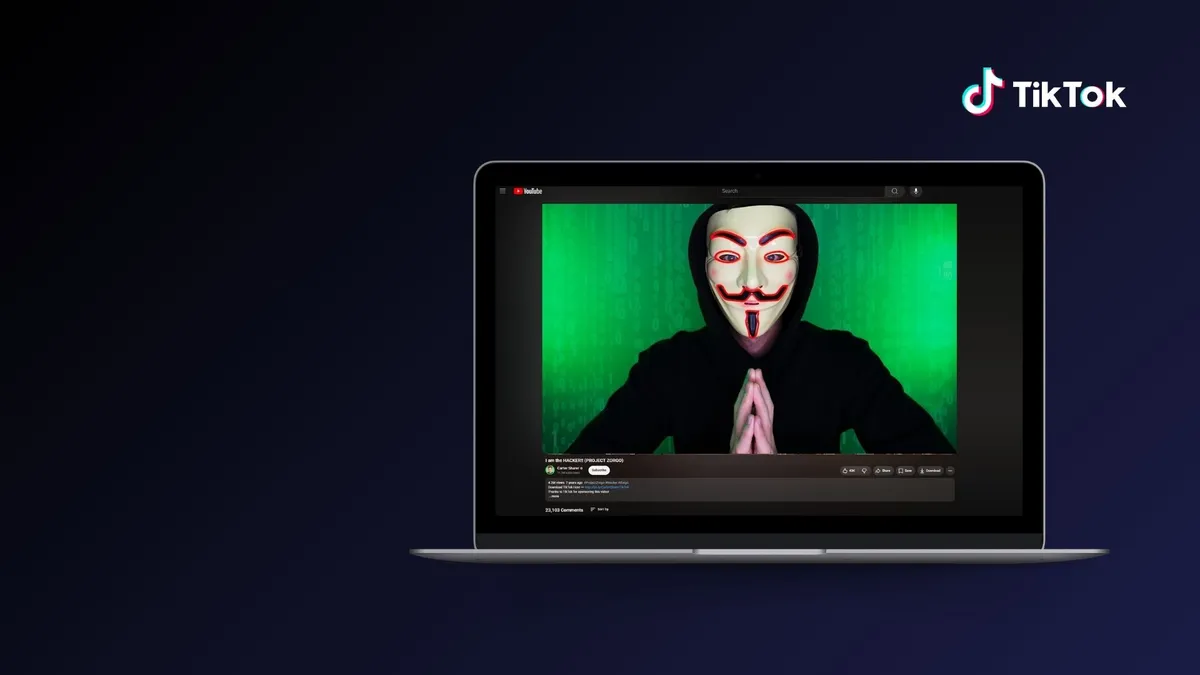
NeoReach helped TikTok enter the U.S. market by partnering with 100+ influencers across YouTube, Instagram, and Snapchat to drive user downloads and educate audiences about TikTok's features.


NeoReach activated 48 creators across 16 markets to promote USIMS in their native languages, combining influencer marketing with SEO, ASO, social media management, and paid media to increase global brand awareness and drive app downloads.


DraftKings partnered with NeoReach to expand their TikTok presence by activating 50 diverse creators during NFL season launch. The #MakeItReign campaign featuring custom touchdown dances and original music generated massive engagement and grew DraftKings' TikTok following by 30,000+.


A&E Networks promoted their Jackie Robinson documentary 'After Jackie' on the HISTORY Channel by partnering with African-American baseball and history creators on TikTok to share Jackie Robinson's legacy and impact using #AfterJackie.


Just Play partnered with NeoReach to promote 4 specific toys for the holiday season, targeting children ages 5-7 and gift-givers. The campaign activated 33 family and mom creators across Instagram and TikTok.


SearchKibble, a search engine that feeds pets with every search, partnered with NeoReach to increase brand awareness and Chrome extension downloads through a TikTok campaign featuring pet influencers.


NeoReach helped HISTORY Channel launch their official TikTok account with diverse creators including foodie grandmas, hurricane chasers, and paralympians. The campaign rapidly grew the brand's account to 50,000+ followers just after launch.
Most programs combine capabilities. This gives buyers a useful starting point before the first strategy conversation.
| Business Need | Start here | Measure |
|---|---|---|
| Launch or reposition a brand | Full-Service Influencer Marketing |
|
| Scale creator content beyond organic reach | Paid Social & Amplification |
|
| Build a volume of native creative | UGC & Creator Content |
|
| Stay culturally present every day | Social Media & Community |
|
| Put products into trusted hands | Product Seeding & Distribution |
|
| Extend a real-world moment online | Events & Experiential |
|
| Equip an internal creator operation | Creator Intelligence & API |
|
Creator credibility is contextual. Our teams build around how attention, trust and buying behavior work inside each category.

“Creators are not media placements. They are strategic partners.
Our job is to protect what makes their voice credible while connecting that influence to a result the business can actually measure.”
NeoReach can enter at one capability or own the full system. Either way, the program begins with the outcome and ends with a decision about what to scale.
Agree on the audience, the behavior to change and the measurement plan before creator selection begins.
Choose the right creators, channels, content formats and service mix around that outcome.

NeoReach manages casting, contracting, briefs, production, approvals, distribution and creator relationships.
Track performance against the goal, identify what is working and move budget toward the strongest signals.
The questions we hear most. Anything else, a senior strategist runs the first 30 minutes of the call.
Either. Every capability stands alone, buy a single service or combine several into a full program. Most clients start with one and expand as the results come in.
Senior-led from brief to wrap. The same people who scope your program run it and report on it, with no handoffs to junior staff once the work begins.
Every major platform, YouTube, TikTok, Instagram, Twitch, LinkedIn, X, Facebook and Snapchat, chosen by where your audience already is, not by default.
Every program runs on a real-time dashboard with the metrics that matter to it, ROI, engagement, conversions and reach, tied back to the objective you set rather than estimated after the fact.
Yes, and most of the best work does. Strategy, content, seeding, paid amplification and events can all run as a single coordinated program under one senior team.
Book a strategy call. A senior strategist scopes the right mix of services in the first 30 minutes, then we build the plan and the measurement around your goal.
Tell us about your goals and a senior strategist will scope the right mix of creators, channels, and measurement — usually within one business day.





A senior strategist will get back to you within one business day.
While you wait, get to know us: meet the team, about NeoReach, or browse our industry reports.
We use cookies and collect usage data to improve the site and to follow up on inquiries you send us. By using this site you agree. Privacy Policy.
