

Explore the top creator economy trends for 2026 and discover how brands and creators can adapt strategies for audience engagement.
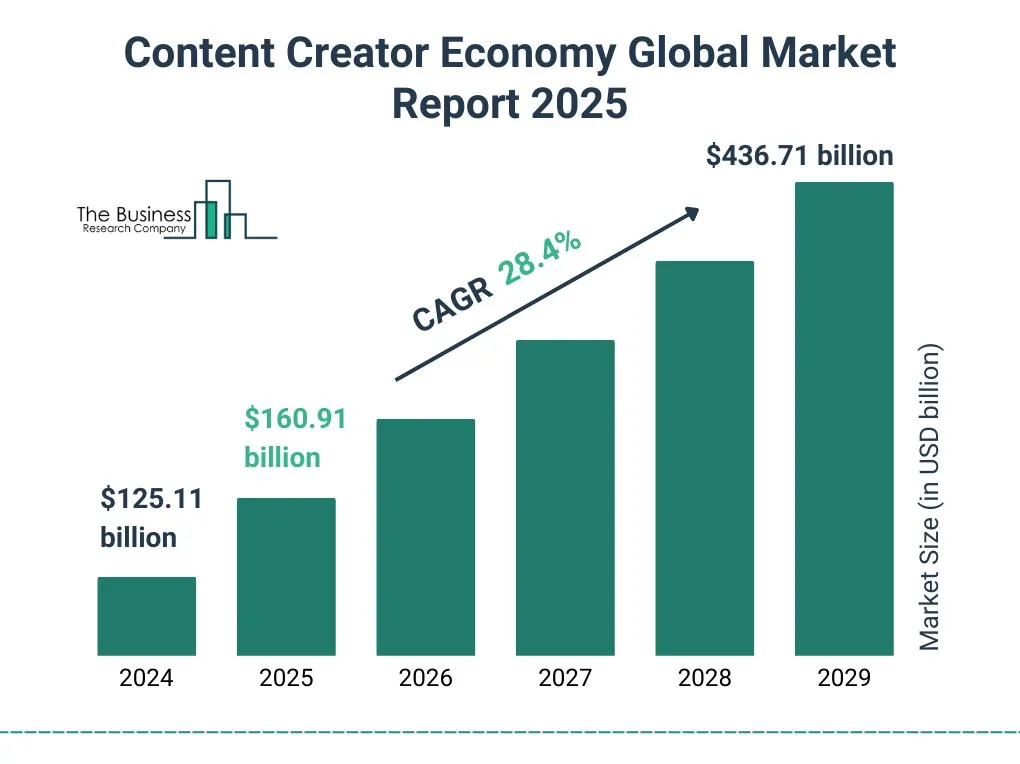
The creator economy is no longer a niche corner of social media. It has evolved into a global economic engine that reshapes how brands, creators, and audiences connect. In 2025, the creator economy was estimated to be worth over $100 billion, with projections suggesting it could surpass $200 billion by 2026 as brand investment and creator-led commerce continue to accelerate.
At the same time, creators are no longer operating as one-dimensional content producers. Many are building scalable businesses, launching products, cultivating loyal communities, and generating recurring revenue beyond brand deals.
For marketers, this evolution signals a shift: success in the creator economy now requires long-term thinking, stronger measurement frameworks, and partnerships rooted in trust and relevance.
As we look ahead, the creator economy in 2026 will be defined less by viral moments and more by sustainability, strategy, and measurable impact. Below are the top 10 creator economy trends brands and creators should prepare for in the year ahead.
1. Creator Monetization Expands Beyond Brand Deals
Brand partnerships remain a cornerstone of the creator economy, but creators are increasingly diversifying how they earn. Many now rely on a mix of revenue streams, including:
Paid subscriptions (such as Patreon or member-only newsletters)
Digital products and merchandise
Affiliate marketing and revenue sharing
Direct commerce through creator storefronts
This evolution reduces creators’ dependence on one-off sponsored campaigns and allows them to build more predictable income. For brands, it opens the door to partnerships that go beyond single posts and toward deeper collaboration.
What this means for brands: Explore co-created products, affiliate programs, and revenue-sharing models that align incentives and extend value beyond campaign timelines.
2. Creator Economy Ad Spend Continues to Outpace Traditional Media
Advertising budgets are shifting decisively toward creator-led content. In the U.S. alone, ad spending connected to the creator economy had been projected to reach approximately $37 billion in 2025, growing significantly faster than overall media spend.
This trend reflects a growing belief among marketers that creators function as media channels in their own right — capable of driving awareness, engagement, and conversions more effectively than traditional ads.
What this means for brands: Allocate a defined portion of your annual media budget specifically to creator economy initiatives, with KPIs tied to conversions, retention, and lifetime value.
3. AI Tools Increase Efficiency Without Replacing Creativity
AI adoption across the creator economy continues to grow, particularly in areas that improve efficiency rather than replace creative judgment. Creators are using AI tools to:
Speed up video editing and content repurposing
Analyze audience behavior and engagement patterns
Automate repetitive production tasks
Test formats and optimize publishing schedules
While AI can streamline workflows, human creativity remains central to storytelling, authenticity, and cultural relevance.
What this means for brands: Use AI-powered tools for creator discovery, analytics, and forecasting — but rely on creators’ lived experience and creative instincts for message development.
4. Long-Form Content Regains Strategic Value in the Creator Economy
Short-form video continues to dominate feeds, but long-form formats such as podcasts, newsletters, and YouTube series are seeing renewed importance. These formats allow creators to build deeper relationships with their audiences and support stronger monetization models.
Long-form content often delivers higher trust, longer attention spans, and more consistent engagement — factors that directly impact brand perception and conversion.
What this means for brands: Design creator economy campaigns that span multiple formats. Long-form content can anchor trust, while short-form clips drive discovery and reach.
5. Creator Storefronts and Social Commerce Become Standard
Creator storefronts — curated shopping hubs where creators earn commissions — are becoming a mainstream part of ecommerce and dropshipping strategies. These storefronts allow brands to track performance more accurately while offering creators a scalable income stream.
This shift also supports first-party data collection and clearer attribution, helping marketers understand which creators influence purchasing decisions.
What this means for brands: Treat creator storefronts as performance channels, not just branding tools, and integrate them into broader omnichannel strategies.
6. Trust and Audience Relevance Outperform Raw Reach
As social platforms grow increasingly crowded, audience trust has become one of the most valuable assets in the creator economy. Creators with smaller but highly engaged communities often outperform larger influencers when it comes to conversions and brand affinity. This reinforces a growing industry truth: relevance matters more than reach.
What this means for brands: Evaluate creators based on engagement quality, audience alignment, and sentiment — not follower count alone.
7. Community-Driven Growth Accelerates
Creators are increasingly focused on building communities rather than chasing algorithmic reach. Many successful creators now monetize through:
Membership tiers and exclusive access
Live events and interactive sessions
Dedicated community platforms
Strong communities provide creators with stability and give brands sustained access to loyal audiences. Marketers who stay plugged into an active influencer strategists community tend to spot these shifts first, and adjust budgets before competitors do.
What this means for brands: Support creator-led communities through co-hosted events, interactive campaigns, and content that encourages participation rather than passive consumption.
8. Emerging Platforms Reshape the Creator Economy Landscape
Investor interest is shifting toward creator-first platforms that emphasize utility, ownership, and community. Rather than one platform dominating the creator economy, 2026 is shaping up to be a multi-platform ecosystem where creators move fluidly across channels.
What this means for brands: Adopt platform-agnostic strategies that follow audience behavior rather than platform trends.
9. Measurement Standards in the Creator Economy Continue to Mature
Measurement has long been a challenge in the creator economy, but tools and frameworks are improving. Brands now have access to more sophisticated metrics, including:
Engagement quality indicators
Conversion and cohort analysis
Creator-specific performance benchmarks
These advances allow marketers to assess creator partnerships across the full funnel.
What this means for brands: Define success metrics before campaigns launch and align on how creator impact will be measured from awareness to conversion.
10. Creator Influence Converges with Mainstream Media
Creators are increasingly crossing into traditional entertainment, licensing deals, and large-scale media collaborations. Platforms like YouTube now rival traditional TV in viewership, and creators are becoming cultural power players.
This convergence signals that the creator economy is no longer separate from mainstream media — it is part of it.
What this means for brands: Think beyond social posts. Explore episodic content, hybrid campaigns, and creator-led media initiatives that extend across digital and offline channels.
Preparing for the Creator Economy in 2026
The creator economy in 2026 will be defined by strategic partnerships, diversified monetization, and deeper audience relationships. Creators are building businesses, not just audiences, and brands must evolve alongside them.
Success in the creator economy will depend on trust, data-driven decision-making, and long-term collaboration. Brands that invest early in sustainable creator relationships — and measure their impact effectively — will be best positioned to thrive in the years ahead.